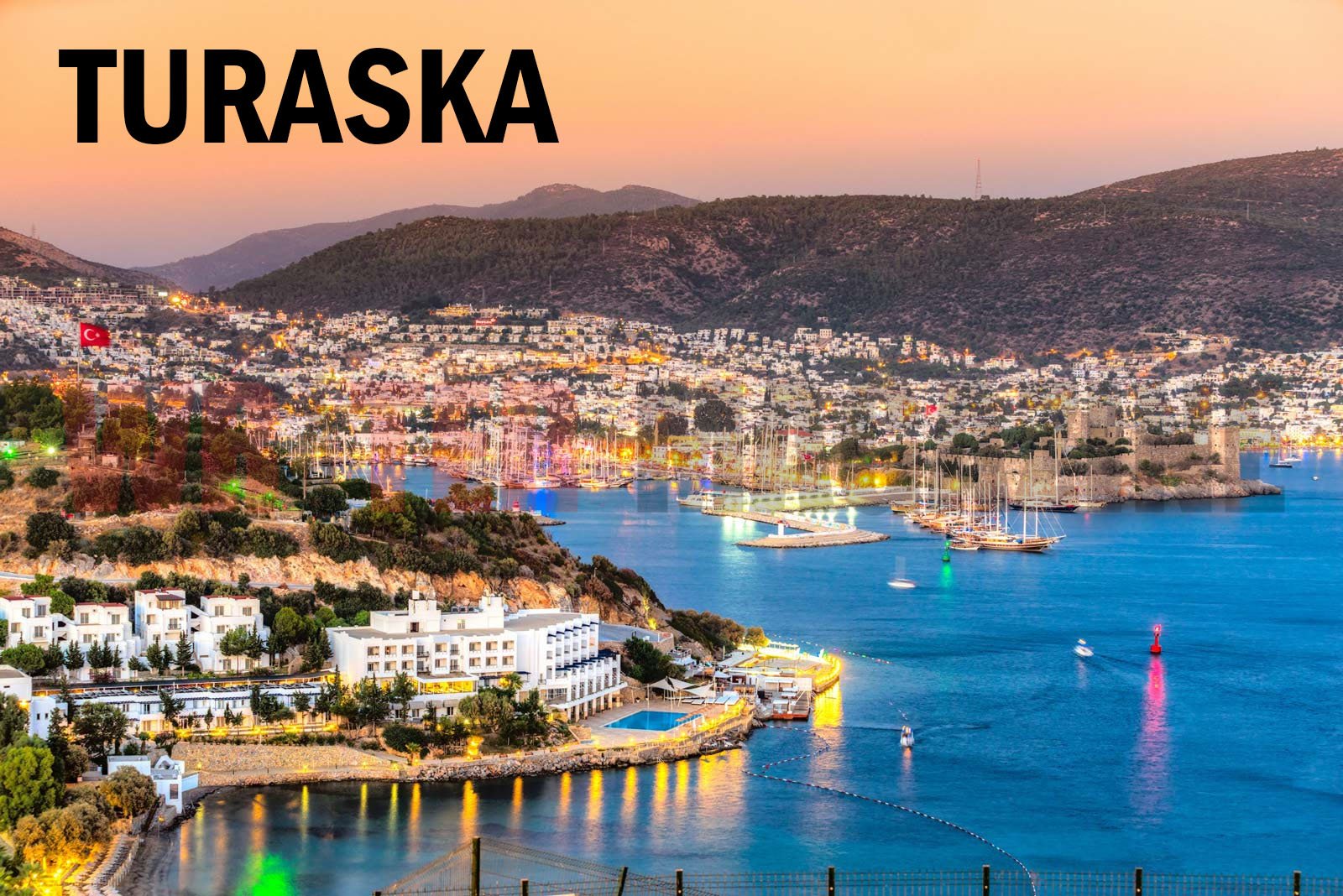
Have you ever come across the word “Turaska” and wondered what it means? You are not alone. Many people search for this word online every day. Some find it while learning Bengali. Others see it while reading about the history of India or Central Asia. And some just want to know why this old word keeps showing up in so many places.
The Simple Meaning of Turaska
Turaska is a word with more than one meaning, and it depends on how and where you use it.
In the Bengali language, Turaska (তুরস্ক) is the word people use for Turkey, the country that sits between Europe and Asia. When someone in Bangladesh or West Bengal talks about Turkey, they say “Turaska.” It is just the Bengali way of saying the country’s name.
But there is a much older and deeper meaning too. In old Sanskrit texts, the word was written as “Turaṣka” or “Turushka.” Ancient Indian writers used it to describe foreign groups of people, especially tribes that came from Central Asia. Most of these tribes had connections to the Turkic people.
So in short, Turaska can mean two things. First, it is the Bengali name for Turkey. Second, it is an ancient Sanskrit term for Central Asian and Turkic tribes. Both meanings point to the same part of the world, which makes the connection very interesting.
Where Does the Word Turaska Come From?
The roots of Turaska go deep into history. Let us look at how this word was born and how it changed over time.
The Sanskrit word “Turaṣka” is made of two parts. The first part, “tura,” means fast or quick in Sanskrit. Many scholars believe this described the fast horse riders and strong warriors who came from the Central Asian grasslands. These people were known for their speed in battle and their skill with horses.
The second part, “-ṣka,” was a common ending used in old Sanskrit to show that a word refers to a group or community of people. When you put both parts together, Turaṣka roughly means “the fast-moving people” or “the swift community.”
This makes a lot of sense when we think about who these people were. The Turkic tribes of Central Asia lived a life on the move. They traveled across wide, open lands with their horses and animals. Their military style was based on speed and surprise. Ancient Indian writers noticed these qualities and gave them a name that matched.
Over the centuries, the word appeared in many important Sanskrit texts. Writers used it in the Mahabharata, the Vishnu Purana, the Bhavishya Purana, and other well-known Indian books. In these texts, Turaska was used as a general label for people who came from beyond the borders of ancient India, mainly from the northwest direction.
Turaska in Ancient Indian Texts
One of the most fascinating things about Turaska is how often it appears in old Indian writings. Ancient Indian scholars had a system for describing people from other lands. They often used words like “mleccha” to describe anyone who lived outside the rules and customs of their own society. Turaska was one of the more specific labels they used for certain groups.
In texts like the Mahabharata, the Turaska people are mentioned alongside other foreign tribes. These mentions help modern historians understand that Indian writers were very much aware of the people living in Central Asia. They knew about their fighting styles, their way of life, and their movements across the region.
The Puranas, which are another set of important Indian texts, also mention the Turaska. In these books, the word is used to talk about groups that would one day play a big role in the political life of the Indian subcontinent. Looking back, it is clear that these ancient writers were describing the early ancestors of the people who would later build powerful kingdoms in India.
What makes these references so valuable is that they show us how language was used to understand the world. Indian writers did not have the internet or modern maps. They used words like Turaska to organize their knowledge about far-away peoples. And these words survived for hundreds of years, giving us clues about the past.
The Turkic Connection: How Turaska Became Part of Indian History
The real-world importance of Turaska becomes very clear when we look at what happened from the 10th century onward. This was the time when Turkic rulers from Central Asia began to enter the Indian subcontinent in large numbers.
The most well-known of these rulers was Mahmud of Ghazni. He was a Turkic sultan who ruled from the city of Ghazni in what is now Afghanistan. Between the years 1000 and 1027, he launched many military campaigns into northern India. His armies were fast, well-organized, and powerful. Indian writers of that time described him and his forces using the word Turaska because of their Turkic roots.
After Mahmud of Ghazni, another important Turkic ruler named Muhammad of Ghor continued the campaigns into India. His efforts led to one of the biggest changes in Indian history. In 1206, his general Qutubuddin Aibak became the first sultan of the Delhi Sultanate. This was the beginning of a long period of Turkic-origin rule in northern India.
The Delhi Sultanate lasted for over 300 years and saw several different ruling families. Many of these families had Turkic backgrounds. They brought new styles of building, new ways of governing, new forms of art, and new cultural traditions to India. The mixing of Turkic and Indian cultures created something entirely new and beautiful.
During this whole period, Indian texts continued to use words like Turaska to describe these rulers and their communities. The word was no longer just about distant tribes on the other side of the mountains. It now described the people who were building mosques, forts, and cities right in the heart of India.
Turaska in the Bengali Language
In modern times, the most common everyday use of Turaska is found in the Bengali language. Bengali speakers in Bangladesh and the Indian state of West Bengal use Turaska (তুরস্ক) as the standard word for Turkey.
This is not surprising when you think about it. Many languages around the world have their own versions of country names. Just like the French say “Allemagne” for Germany or the Japanese say “Igirisu” for England, Bengali speakers say “Turaska” for Turkey.
There is even a famous Bengali book that uses this word in its title. The book is called “Gris-Turaska Yuddha” which means “The Greece-Turkey War.” It was written about the Greco-Turkish War of 1897 and shows how the word Turaska moved from ancient Sanskrit texts into modern Bengali writing.
This journey of the word, from old religious texts to modern news and books, is a wonderful example of how language grows and changes. The sounds stayed almost the same, but the way people used the word shifted to match the times.
Why Turaska Still Matters Today
You might wonder why an old word like Turaska is worth talking about in 2026. Here are some good reasons.
First, Turaska helps us understand how ancient people saw the world. It shows us that Indian writers were paying close attention to the people and tribes around them. They created words and labels to make sense of a big and complex world, just like we do today with our own language.
Second, the word connects us to one of the most important periods in South Asian history. The arrival of Turkic groups changed the political, cultural, and social life of the Indian subcontinent in ways that are still visible today. From the architecture of old forts and mosques to the words used in everyday Hindi and Urdu, the Turkic influence is everywhere.
Third, Turaska is a good example of how words travel across time and cultures. A word that started as a Sanskrit label for distant tribes became the Bengali name for a modern country. That kind of journey tells us a lot about how human languages work and how connected different parts of the world really are.
Finally, understanding Turaska helps us see that history is not just about big battles and famous kings. It is also about the words people used, the names they gave to others, and the way they tried to understand a world that was always changing around them.
The Cultural Impact of the Turaska People
The groups that ancient writers called Turaska did not just pass through India. They left a lasting mark on the region. Here are some of the ways their influence can still be seen.
In architecture, the Turkic rulers introduced new building styles that mixed Central Asian designs with Indian traditions. Many old mosques, tombs, and forts in India show this beautiful mix of two different building cultures coming together.
In language, many words in Hindi and Urdu have Turkic roots. Everyday words that millions of people use today came into Indian languages through the contact between Turkic rulers and local communities.
In food, music, and daily life, the blending of Turkic and Indian cultures created traditions that people still follow. The cultural exchange went both ways. Turkic rulers adopted many Indian customs, and Indian communities took on some Turkic traditions. Over time, these blended into something new that belonged to everyone.
Turaska in the Digital World
Today, the word Turaska has found new life on the internet. People from all over the world search for it because they are curious about what it means. Some are students learning Bengali. Some are history lovers. And some are just people who came across the word and wanted to know more.
This growing interest shows that old words can become relevant again in the digital age. The internet makes it easy for anyone to discover a word like Turaska and learn about the rich history behind it. In a way, every time someone searches for Turaska online, they are keeping a very old story alive.
Frequently Asked Questions (FAQs)
1. What does Turaska mean?
Turaska has two main meanings. In Bengali, it means Turkey, the country. In ancient Sanskrit, it was a word used to describe foreign tribes from Central Asia, especially those connected to the Turkic people.
2. Where does the word Turaska come from?
The word comes from the Sanskrit term “Turaṣka.” The root word “tura” means fast or quick, and the ending “-ṣka” was used to refer to a group of people. Together, it described the fast-moving Turkic tribes of Central Asia.
3. Is Turaska a Bengali word?
Yes, in modern Bengali, Turaska (তুরস্ক) is the standard word for Turkey. Bengali speakers use it when they talk about the country, its people, or its history.
4. Why is Turaska mentioned in ancient Indian texts?
Ancient Indian writers used the word Turaska in texts like the Mahabharata and the Puranas to describe foreign tribes from the northwest. These tribes were from Central Asia and were often connected to the Turkic people.
5. How is Turaska connected to the Turkic invasions of India?
Turkic rulers like Mahmud of Ghazni and the founders of the Delhi Sultanate were described as Turaska in Indian sources. Their campaigns into India starting from the 10th century were one of the biggest changes in South Asian history.
6. What is the difference between Turaska and Turushka?
Both words refer to the same thing. Turushka is another way to write the Sanskrit word “Turaṣka” in English. Different scholars use different spellings, but the meaning is the same.
7. Does Turaska have any connection to the modern country Turkey?
Yes. The word Turaska is linked to Turkey through the Turkic people. In Bengali, Turaska directly means Turkey. And in its ancient Sanskrit form, the word described the ancestors of the Turkic people who later built the Ottoman Empire and modern Turkey.
8. Why are people searching for Turaska online?
People search for Turaska for many reasons. Some want to learn Bengali. Others are studying South Asian history. And many are simply curious about the meaning of an unfamiliar word they came across while reading or browsing the internet.
9. In which famous texts does the word Turaska appear?
Turaska appears in several important Indian texts, including the Mahabharata, the Vishnu Purana, the Bhavishya Purana, and the Rajatarangini. These texts are considered reliable sources for understanding ancient Indian history.
10. Can learning about Turaska help me understand history better?
Absolutely. Learning about Turaska helps you understand how ancient cultures viewed foreign people, how language changes over time, and how the movement of Turkic groups across Central and South Asia shaped the history of the entire region. It is a small word with a very big story.
Read Also: GMHIW: What Is It, How It Works, and Why It Still Matters Today
Stay connect with us for every lastes information Writermagazine.