How Industrial Facilities Are Integrating Dust Collection Into Their Overall Safety Programs

Industrial facilities across manufacturing, metalworking, woodworking, and other sectors face significant challenges when it comes to maintaining safe working environments. Airborne dust and particulate matter are not simply nuisances — they represent serious health hazards and fire risks that regulatory bodies take seriously. As workplace safety standards continue to evolve, facility managers are moving beyond treating dust collection as an isolated concern and instead embedding it into their broader safety frameworks. Understanding how this integration works can help you evaluate your own facility’s approach and identify opportunities for meaningful improvement.
Recognizing Dust as a Systemic Safety Risk
Before dust collection can be meaningfully integrated into a safety program, it must first be recognized as a systemic hazard rather than a localized problem. Many types of industrial dust — including wood, metal, and chemical particulates — are combustible or toxic under certain conditions. The Occupational Safety and Health Administration (OSHA) classifies combustible dust as a serious workplace hazard, and facilities that fail to address it appropriately may face citations, fines, or operational shutdowns. When dust is identified as part of a broader hazard assessment, it becomes subject to the same risk management processes as machinery guarding, chemical handling, or fall protection. This perspective shift is foundational to building a dust management strategy that genuinely functions within the larger safety culture of a facility.
Conducting Hazard Assessments That Include Dust Sources
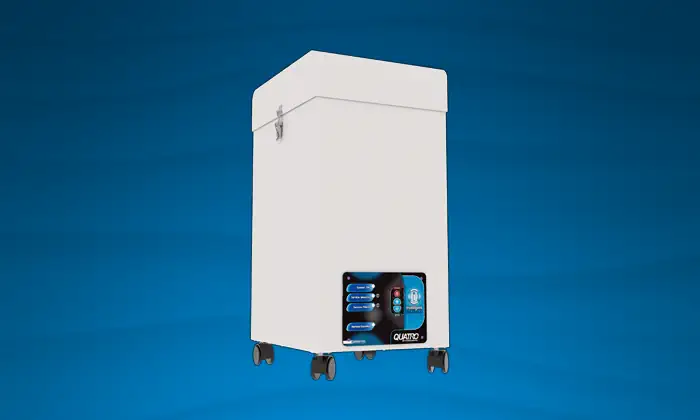
A well-integrated safety program begins with thorough hazard identification, and dust sources must be explicitly included in that process. Facilities should conduct regular walkthroughs and air quality monitoring to identify where dust is generated, how it travels through the space, and where it tends to accumulate over time. Different processes — such as grinding, cutting, laser processing, or sanding — produce different types of particulate matter with varying levels of risk. A quality deburring wet dust collector, for example, may be appropriate for certain metalworking applications where dry collection methods present ignition risks. By mapping dust-generating operations onto the facility’s overall hazard matrix, safety officers can prioritize interventions based on actual risk levels rather than reactive responses to visible dust accumulation.
Aligning Dust Collection Equipment With Safety Standards
Once hazards have been assessed, facilities must ensure that the dust collection equipment they deploy meets both operational needs and relevant safety standards. Equipment selection should be guided by the type of dust being generated, the volume of particulate matter produced, and whether that dust presents combustion, toxicity, or respiratory hazards. OSHA, the National Fire Protection Association (NFPA), and other regulatory bodies publish guidelines that outline requirements for dust collection systems across various industrial settings. Facilities benefit from choosing equipment that is not only capable of capturing airborne particles efficiently but also designed with features such as spark arrestors, explosion venting, or appropriate filtration ratings. Aligning equipment choices with regulatory requirements ensures that your dust collection system functions as a legitimate safety control rather than simply a housekeeping measure.
Training Employees and Building a Dust-Aware Culture
Even the most advanced dust collection infrastructure will fall short if employees are not trained to understand its role in workplace safety. Workers should know how to operate collection systems properly, recognize signs of malfunction, and understand the health and fire risks associated with the types of dust present in their specific work areas. Safety training programs should incorporate dust-specific content into onboarding curricula as well as ongoing refresher sessions throughout the year. Supervisors play a critical role in reinforcing these behaviors by modeling proper practices and ensuring that dust collection equipment is used consistently rather than bypassed for convenience. When dust awareness becomes part of the facility’s broader safety culture, employees are far more likely to report concerns, follow established protocols, and take genuine ownership of maintaining clean work environments.
Maintaining and Auditing Dust Collection Systems Regularly
Integration of dust collection into a safety program is not a one-time implementation — it requires ongoing maintenance and regular auditing to remain effective over time. Filters, collection bins, ductwork, and capture hoods must be inspected and serviced on a defined schedule to prevent system failures that could allow particulate matter to recirculate into the workspace. Facilities should also conduct periodic reviews of their dust collection strategy to account for changes in production processes, materials, or facility layout. Audits should be documented and tied to broader safety performance metrics, allowing facility managers to track trends and identify recurring issues before they become serious problems. This continuous improvement approach ensures that dust collection remains an active and responsive component of the safety program rather than a static installation that loses relevance over time.
Conclusion
Integrating dust collection into an overall safety program requires deliberate planning, cross-departmental coordination, and a commitment to ongoing evaluation. Rather than treating dust as a secondary concern, leading industrial facilities are recognizing it as a core occupational health and fire safety issue that deserves the same structured attention as any other workplace hazard. You can strengthen your facility’s safety posture by ensuring that dust management is woven into hazard assessments, equipment standards, employee training, and audit processes. A comprehensive and well-maintained approach to dust collection ultimately protects not only your workforce but also the long-term operational integrity of your facility.