How Brookfield Residential Handled Coronavirus: Safety Steps, Home Buying Tips, and What Changed Forever

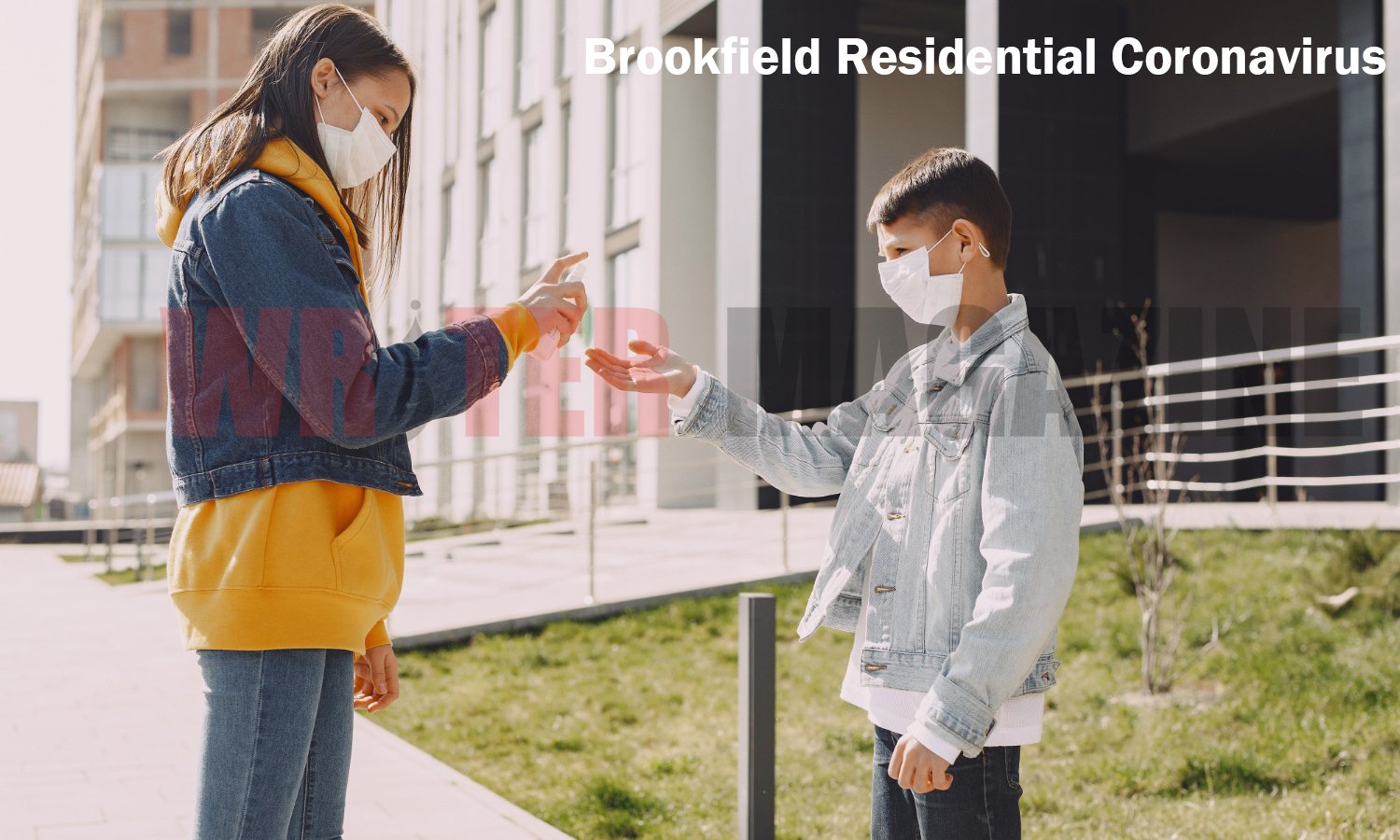
When the coronavirus pandemic started in early 2020, life changed for almost everyone. People had to stay home. Businesses had to close or find new ways to work. The housing market also felt the impact. For a big home builder like Brookfield Residential, this was one of the hardest times in its history. But instead of stopping, the company kept going. It made quick decisions, followed health rules, and found new ways to help home buyers. In this article, we will look at exactly what Brookfield Residential did during the coronavirus period, how it helped its workers and customers, and what lasting changes came out of this difficult time.
Who Is Brookfield Residential?
Before we talk about the pandemic, it helps to know a little about Brookfield Residential. It is a large home builder and land developer that works across the United States and Canada. The company builds single-family homes, townhomes, and condominiums. It also plans whole communities with parks, schools, and walking trails.
Brookfield Residential is part of Brookfield Asset Management, which is one of the largest asset management companies in the world. This strong financial background gave Brookfield Residential the ability to handle the stress of the pandemic better than many smaller builders.
Before COVID-19 hit, the housing market in North America was doing well. People were buying homes, interest rates were low, and builders like Brookfield Residential were growing. Then, in March 2020, everything changed overnight.
The First Days of the Pandemic
When the World Health Organization declared COVID-19 a global pandemic in March 2020, governments across North America put strict rules in place. People had to stay at home. Non-essential businesses had to close. Construction sites in many areas stopped or reduced their work.
For Brookfield Residential, this created several problems at once:
- Workers could not go to job sites in many areas
- Buyers were afraid to visit show homes
- Supply chains were broken because factories around the world closed
- People were not sure about their jobs or money, so they stopped buying homes
The company had to act fast. And it did.
Safety Measures at Construction Sites
One of the first and most important things Brookfield Residential did was make its construction sites safer. Construction work involves many people working close together, which made it easy for the virus to spread. The company took clear steps to lower this risk.
Masks and Protective Equipment
Masks and other personal protective equipment (PPE) became required for everyone on site. Workers had to wear gloves and masks at all times. This was a big change from how sites normally worked.
Daily Health Checks
Before any worker could enter a job site, they had to go through a health check. This included a temperature check and answering questions about how they felt. If someone had symptoms, they had to stay home. This rule applied to both employees and outside trade workers.
Smaller Work Crews and Staggered Shifts
To lower the number of people in one place at the same time, Brookfield Residential reduced crew sizes and set up different shift times. So instead of 30 workers arriving at the same time, groups would arrive at different hours. This helped lower the chance of the virus spreading.
Separate Entry and Exit Points
At larger job sites, the company created separate doors for entering and leaving. This stopped people from crossing paths and helped keep distance between workers.
Cleaning and Disinfecting
High-touch areas like door handles, shared tools, and shared spaces were cleaned and disinfected many times during the day. This helped kill any virus that might be on surfaces.
These steps followed rules from important health organizations including the World Health Organization (WHO), the CDC in the United States, and the Public Health Agency of Canada (PHAC).
How Brookfield Residential Kept the Office Running
Not all Brookfield Residential employees work on construction sites. Many work in offices doing planning, design, marketing, and finance. For these workers, the company quickly moved to a work-from-home model.
Digital tools made it possible for teams to stay in contact and keep working. Video calls replaced in-person meetings. Project planning moved to cloud-based software. This meant that important business functions continued even when offices were closed.
The company also expanded mental health support for workers during this stressful time. Extended paid sick leave was offered to employees who got sick. These efforts showed that Brookfield Residential cared about its people, not just its business.
Helping Home Buyers: Going Digital
One of the biggest problems during the pandemic was that people could not go to show homes or meet with sales teams in person. This is a big part of buying a new home. So what did Brookfield Residential do?
It moved the whole experience online.
Virtual Home Tours
The company introduced high-quality 3D virtual tours. These let buyers walk through homes on their computer or phone as if they were really there. They could look at every room, check the layout, and get a real feel for the space, all from their couch at home.
Video Consultations
Sales staff offered personal video calls with buyers. This gave people the chance to ask questions, get advice, and talk through their options just like a normal meeting, but safe and remote.
Interactive Floor Plans
Buyers could look at floor plans online and even customize them. They could choose different room layouts, finishes, and designs without visiting the office.
Digital Paperwork and Electronic Signatures
Contracts and documents could be signed electronically. This meant buyers could complete the whole purchase process without touching a single piece of paper or visiting any office.
These digital tools were not just temporary fixes. They became a better and easier way to buy a home. Even after the pandemic, many buyers prefer these options because they save time and offer more flexibility.
Supply Chain Problems and Construction Delays
Even with all the safety steps in place, Brookfield Residential could not avoid all the problems the pandemic caused. One of the biggest challenges was supply chain disruption.
Materials like lumber, steel, windows, appliances, and HVAC systems became very hard to find. Factories around the world closed or slowed down. Shipping was delayed. Prices for some materials went up a lot.
Homes that normally took five to six months to build started taking nine to eleven months or more. This was frustrating for buyers who were waiting for their new homes.
Brookfield Residential tried to handle this by being honest with buyers. The company kept customers updated about delays and explained why they were happening. In some cases, buyers who faced long delays received compensation such as upgrade packages or help with rent costs while they waited. Open and clear communication helped people feel less worried even when things were not going as planned.
Financial Support for Buyers
The pandemic caused a lot of money stress for many families. Some people lost their jobs. Others saw their income drop. Brookfield Residential understood this and offered help.
Flexible Payment Plans
The company offered extended deadlines and adjusted payment schedules for buyers who had financial problems. This helped people keep their home purchase agreements without defaulting.
Access to Mortgage Experts
Brookfield Residential connected buyers with mortgage professionals who could help them understand their options in a changing financial environment. For first-time buyers especially, this kind of help was very valuable.
Special Promotions
During slower periods, the company ran special deals like upgrade packages, help with closing costs, and discounts. These promotions varied by location and timing and helped attract buyers during uncertain times.
Community Support Efforts
Brookfield Residential did not just focus on its own business. It also tried to help the wider community during the pandemic.
The company donated protective equipment to healthcare facilities and emergency workers. It supported local businesses by partnering with them and keeping them involved in projects. It also contributed to COVID-19 relief funds and supported food banks and other community organizations.
These actions showed that the company cared about more than just building homes. It wanted to be a good neighbor in the communities where it worked.
How Home Design Changed Because of COVID-19
The pandemic changed what people want in a home. When people started spending most of their time at home, working, learning, exercising, and relaxing all in the same space, they realized they needed more from their homes.
Brookfield Residential listened and changed its home designs to match these new needs.
Home Offices
Dedicated quiet workspaces with good lighting became a standard feature in new homes. Before the pandemic, a home office was a nice extra. Now it is something most buyers expect.
Outdoor Spaces
Larger patios, balconies, and gardens became more important. People wanted a safe outdoor area where they could relax or spend time with family without going to a public park.
Flexible Rooms
Rooms that can be used for different things, like a fitness area, a study room, or a hobby space, became very popular. Buyers wanted homes that could adapt to their changing needs.
Better Ventilation
The pandemic made people think more about air quality inside their homes. New builds started including better ventilation systems and designs that allow more fresh air and natural light.
Touchless Technology
Smart home features like motion-sensor lighting, touchless faucets, and smart locks became more common. These features reduce the need to touch surfaces and make everyday life more convenient.
What the Housing Market Looked Like After the Pandemic
In the early months of 2020, the housing market slowed down. Buyers were scared and uncertain. But as the pandemic continued, something unexpected happened. Demand for homes actually increased.
With more people working from home, many decided they needed bigger spaces. City apartments felt too small. Suburban communities with more space, parks, and quiet streets became very attractive. This shift in thinking helped companies like Brookfield Residential, which builds exactly these kinds of communities.
By late 2020 and into 2021, sales activity picked up strongly in many markets. Even though costs were higher due to supply problems, strong demand helped keep the business healthy. Brookfield Residential came out of the pandemic as a stronger and more modern company.
What We Can Learn from Brookfield Residential’s Response
The way Brookfield Residential handled the coronavirus pandemic offers some important lessons for any business or individual.
Act fast. When the pandemic started, the company did not wait. It moved quickly to protect workers and keep operations going.
Communicate clearly. When delays happened, the company was honest with buyers. Clear communication builds trust even when the news is not good.
Use technology. The digital tools Brookfield Residential introduced out of necessity turned into permanent improvements that made the whole buying experience better.
Think about people, not just profit. By supporting employees, buyers, and communities, the company built long-term trust and loyalty.
Be ready to change. The home designs that came out of the pandemic show that listening to what people need and adjusting quickly is a key part of long-term success.
Frequently Asked Questions (FAQs)
1. Did Brookfield Residential stop building homes during the coronavirus pandemic?
No. Brookfield Residential stayed open throughout the pandemic. Construction continued in most markets, but with strict safety protocols in place. Some sites faced temporary slowdowns due to local government rules, but the company worked hard to keep projects moving.
2. Were Brookfield Residential construction workers protected from COVID-19?
Yes. The company put many safety measures in place for workers. These included mandatory masks, daily health checks, smaller crew sizes, staggered shifts, separate entry and exit points, and regular cleaning of shared spaces and tools.
3. Could buyers still tour homes during the pandemic?
Yes, but in a different way. Brookfield Residential introduced 3D virtual tours, video consultations with sales staff, and interactive online floor plans. In-person visits to show homes were still possible by appointment only, with strict health rules in place.
4. Were home deliveries delayed because of the pandemic?
In many cases, yes. Supply chain problems made it hard to get materials like lumber, windows, and appliances. Homes that normally took five to six months to build often took nine to eleven months. The company kept buyers informed and offered compensation in some cases.
5. Did Brookfield Residential offer any financial help to buyers during the pandemic?
Yes. The company offered flexible payment plans, extended deadlines, and connected buyers with mortgage professionals. It also ran special promotions during slower periods to help buyers financially.
6. How did COVID-19 change what buyers want in a home?
The pandemic showed people that their home needs to do more. Buyers now want dedicated home offices, larger outdoor areas, flexible rooms, better ventilation, and smart home technology. Brookfield Residential updated its home designs to include all of these features.
7. Did Brookfield Residential support local communities during the pandemic?
Yes. The company donated protective equipment to healthcare workers, supported local businesses, contributed to COVID-19 relief funds, and helped food banks and other community organizations.
8. Are the virtual home buying tools still available today?
Yes. The digital tools introduced during the pandemic are now a regular part of the home buying process at Brookfield Residential. Virtual tours, online customization, and digital paperwork are now standard options that many buyers prefer.
9. How did the pandemic affect the price of homes from Brookfield Residential?
Building costs went up because of supply chain problems and higher material prices. However, strong demand for homes, especially in suburban areas, helped keep the market healthy. Prices in many markets rose during and after the pandemic period.
10. Is Brookfield Residential a safe company to buy a home from today?
Yes. The company came out of the pandemic more prepared and more digital than before. Supply chains have largely returned to normal, build times are closer to pre-pandemic levels, and the company now has better tools and plans to handle future challenges.
Final Thoughts
The coronavirus pandemic was one of the hardest challenges that the home building industry has ever faced. Brookfield Residential did not run away from this challenge. Instead, it faced it head-on with clear safety steps, smart use of technology, honest communication, and real support for workers, buyers, and communities.
The lessons learned during this period, from digital home tours to better home designs, have made Brookfield Residential a stronger and better company. And the homes it builds now reflect what people truly need: safe, flexible, connected spaces where families can live their best lives.
Whether you are thinking about buying a new home or just curious about how the housing industry handled COVID-19, the Brookfield Residential story is a good example of how to handle a crisis with care, creativity, and commitment.
Read Also: Crew Cloudysocial: What It Is and How It Helps Your Team Manage Social Media Better in 2026
Stay connect with us for every lastest information Writer magazine