If you are planning to build or fix up your home, you have probably heard about many types of tiles and surfaces. But there is a new name that is getting a lot of attention lately. It is called Sodiceram. This material is changing the way people think about ceramic tiles and surfaces.
Where Does the Name “Sodiceram” Come From?
The name is actually very easy to understand. It comes from two words put together. “Sodi” comes from sodium, which is a chemical element. “Ceram” comes from ceramics, which means tiles and similar hard materials. So, Sodiceram simply means a ceramic material that uses sodium to become stronger and better.
What Is Sodiceram?
Sodiceram is a new type of ceramic material. It is made by adding sodium-based compounds into the regular ceramic mix. These sodium compounds change the way the ceramic behaves when it is heated in a kiln (a very hot oven used to make ceramics).
Regular ceramics are made from clay, quartz, feldspar, and alumina. Sodiceram uses these same ingredients, but it also includes sodium carbonate, sodium silicate, or a mineral called nepheline syenite. These sodium compounds make up about 3 to 7 percent of the total mix.
When the mix is heated, the sodium helps the tiny particles inside the material stick together much better. This process creates a very tight and dense structure with almost no tiny holes (called pores). The result is a tile or surface that is much stronger, harder, and more water-resistant than regular ceramic.
How Is Sodiceram Made?
Making Sodiceram follows a step-by-step process that mixes old ceramic methods with new technology. Here is how it works in simple terms:
Step 1: Choosing the raw materials. Workers pick high-quality clay, silica, alumina, and sodium compounds. The quality of these ingredients is very important for the final product.
Step 2: Mixing. All the raw materials are blended together in exact amounts. The sodium compounds need to be spread evenly through the mix so that every part of the tile gets the same benefits.
Step 3: Shaping. The mixed material is then pressed, cast, or pushed through machines to give it the right shape. This could be a flat tile, a large panel, or any other form.
Step 4: Firing. The shaped pieces go into a kiln where they are heated to very high temperatures. This is the most important step. During firing, the sodium works as a “flux agent.” This means it helps the material melt and bond at a lower temperature than regular ceramics need. The sodium creates a glass-like layer between the tiny grains, which fills in all the small gaps and makes the material very dense.
Step 5: Finishing. After firing, the pieces are cooled, checked for quality, and given their final finish. This could be a matte look, a glossy shine, or a textured surface.
One big benefit of this process is that it uses less energy than making regular ceramics. Because sodium lowers the temperature needed for firing, the kilns do not have to work as hard. This saves fuel and produces fewer harmful gases.
What Makes Sodiceram Better Than Regular Ceramics?
Now that you know what Sodiceram is and how it is made, let us look at why people are choosing it over regular ceramic tiles.
It Is Much Stronger
Sodiceram has a flexural strength of more than 40 MPa. In simple words, this means it can handle a lot of pressure and weight before it breaks. Regular ceramics are weaker and can crack more easily under stress.
It Has Very Low Porosity
Porosity means how many tiny holes are inside the material. Regular ceramics have a porosity of about 1 to 3 percent. Sodiceram has a porosity of 0.5 percent or less. Fewer holes mean the material absorbs almost no water. This is very important for bathrooms, kitchens, and outdoor areas where water is common.
It Is Very Hard
On the Mohs hardness scale (which measures how hard a material is), Sodiceram scores about 7. This is quite high. It means the surface resists scratches very well. You do not have to worry about furniture, shoes, or daily use damaging the tiles.
It Handles Heat Well
Sodiceram can handle sudden changes in temperature without cracking. Some sources say it can survive temperature changes of up to 200 degrees Celsius very quickly. This makes it a great choice for kitchen countertops and areas near fireplaces or ovens.
It Resists Chemicals
The dense, non-porous surface of Sodiceram does not react easily with acids, cleaning products, or oils. This makes it safe for labs, hospitals, restaurants, and factories where strong chemicals are used.
It Looks Great
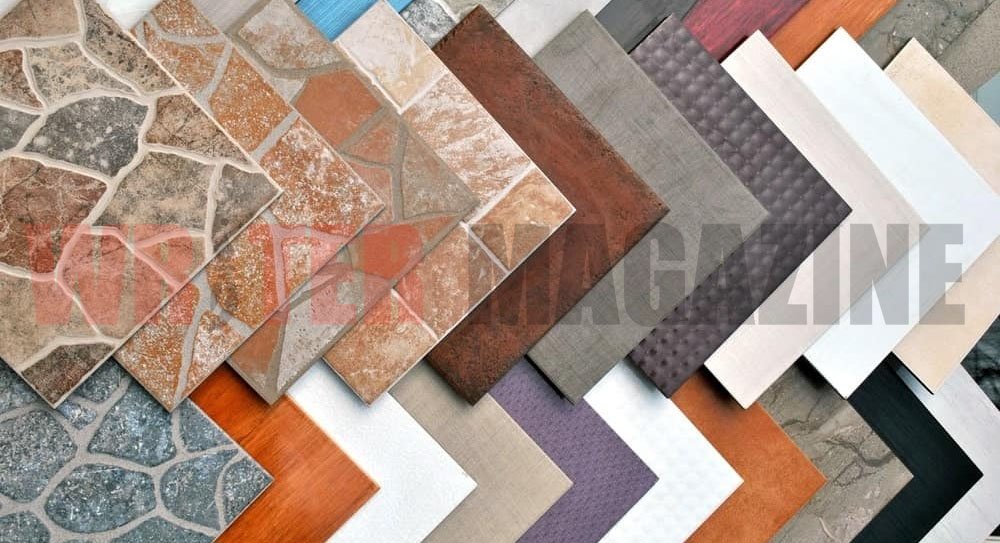
Sodiceram is not just about strength. It also comes in many beautiful designs. Modern printing technology allows makers to create tiles that look like natural marble, wood, concrete, or stone. You can get matte, glossy, textured, or satin finishes to match any style you like.
Where Can You Use Sodiceram?
One of the best things about Sodiceram is that it works well in many different places. Here are some common uses:
In Your Home
You can use Sodiceram tiles for your living room floors, kitchen walls, bathroom surfaces, and even outdoor patios. They are water-resistant, stain-resistant, and easy to clean, which makes them perfect for busy family homes.
In Offices and Shops
Commercial spaces like offices, hotels, shopping centers, and restaurants need floors that can handle lots of people walking on them every day. Sodiceram has the highest rating for foot traffic resistance (called PEI Class V), so it is built for these busy places.
In Hospitals and Clinics
Because the surface is non-porous, dirt and bacteria cannot hide in tiny holes. A simple wipe with a mild cleaner keeps it hygienic. This makes Sodiceram a smart choice for hospitals, clinics, and other healthcare spaces.
In Factories and Industrial Areas
Factories deal with heavy machines, strong chemicals, and extreme temperatures. Sodiceram can handle all of these challenges without breaking down. Some factories use it to line floors and walls in areas where regular tiles would fail quickly.
On Building Exteriors
Sodiceram panels can be used on the outside of buildings too. They resist UV light from the sun, rain, wind, and humidity. In hot or tropical areas, these panels keep their color and shape for a very long time.
Is Sodiceram Good for the Environment?
Yes, Sodiceram is a more eco-friendly choice compared to regular ceramics. Here are a few reasons why:
Lower energy use. Because sodium lowers the firing temperature, less fuel is needed to make the tiles. This means fewer carbon emissions during production.
Less waste. Sodiceram tiles last much longer than regular tiles. Some can last more than 20 years without losing their looks or strength. When tiles last longer, you do not need to replace them as often, which means less waste going to landfills.
Recycled materials. Many Sodiceram makers use recycled raw materials in their production. Some also use closed-loop water systems, which means they recycle the water used during manufacturing instead of throwing it away.
Support for green buildings. Because of its durability and low maintenance needs, Sodiceram fits well into green building projects that aim to reduce environmental impact.
How to Take Care of Sodiceram Tiles
Taking care of Sodiceram is very simple. Here are some basic tips:
Clean the surface regularly with water and a mild soap. You do not need any special products. Avoid using very strong acids or harsh chemicals, as they can damage the finish over time. If you spill something, just wipe it up quickly. The non-porous surface means stains have a hard time sticking. For outdoor tiles, a quick rinse with a hose is usually enough to keep them looking fresh. Always hire a professional for installation to make sure the tiles are set correctly and last as long as possible.
How Much Does Sodiceram Cost?
Sodiceram tiles may cost a bit more than basic ceramic tiles when you first buy them. However, they are a smart investment in the long run. Because they last much longer, resist damage, and need very little maintenance, you end up saving money over time. You will not need to replace them as often, and you will spend less on cleaning products and repairs.
Think of it this way: regular tiles might be cheaper today, but if they crack or stain in a few years, you will need to buy new ones and pay for installation again. With Sodiceram, you pay once and enjoy the results for decades.
The Future of Sodiceram
Sodiceram is still a relatively new material, and researchers are working on making it even better. Some exciting developments include:
3D printing. New technology may allow makers to create custom Sodiceram pieces in unique shapes and sizes using 3D printers.
Smart surfaces. Scientists are working on adding special features to Sodiceram, like self-cleaning surfaces or built-in sensors that can monitor temperature and moisture.
Better toughness. Researchers are adding tiny particles (called nanocomposites) to the mix to make Sodiceram even more resistant to cracking and breaking.
Digital printing. Advanced printing methods are making it possible to create even more realistic designs that look just like natural materials.
As these improvements continue, Sodiceram is likely to become an even more popular choice for homes, businesses, and industrial projects around the world.
Final Thoughts
Sodiceram is a smart step forward in the world of ceramic materials. By adding sodium compounds to the traditional ceramic mix, engineers have created a material that is stronger, harder, more water-resistant, and better looking than regular tiles. It works well in homes, offices, hospitals, factories, and outdoor spaces.
If you are looking for tiles or surfaces that will last for many years without losing their beauty or strength, Sodiceram is worth considering. It may cost a little more upfront, but the long-term benefits make it a wise choice for anyone who wants quality, style, and durability in one package.
We hope this guide helped you understand what Sodiceram is and why it matters. If you have more questions, feel free to explore the resources and official websites mentioned in this article.
Frequently Asked Questions (FAQs)
1. What exactly is Sodiceram?
Sodiceram is a ceramic material that includes sodium-based compounds in its mix. The sodium helps the material become denser, stronger, and more resistant to water, heat, and chemicals than regular ceramics.
2. How is Sodiceram different from regular ceramic tiles?
The main difference is the sodium content. Regular ceramics do not use sodium compounds. Sodiceram uses about 3 to 7 percent sodium, which makes the tiles harder, less porous, and more durable.
3. Can I use Sodiceram tiles in my bathroom?
Yes, absolutely. Sodiceram is very water-resistant because of its low porosity. It is a great choice for bathrooms, showers, and any area that gets wet often.
4. Is Sodiceram safe for kitchen countertops?
Yes. Sodiceram handles heat very well and resists stains from food and cooking oils. It is a practical and stylish option for kitchen surfaces.
5. How long do Sodiceram tiles last?
With proper installation and basic care, Sodiceram tiles can last more than 20 years. Many users report that the tiles keep their look and strength for a very long time.
6. Is Sodiceram eco-friendly?
Yes. The production process uses less energy than regular ceramics. Many makers also use recycled materials and water recycling systems. The long lifespan of the tiles also means less waste.
7. Does Sodiceram need special cleaning?
No. You can clean Sodiceram with water and mild soap. Avoid very strong chemicals. The non-porous surface makes it easy to keep clean without much effort.
8. Can Sodiceram be used outdoors?
Yes. Sodiceram is resistant to UV light, rain, and temperature changes. It works well for outdoor patios, garden paths, building walls, and pool areas.
9. Is Sodiceram expensive?
It may cost more than basic tiles at first. But because it lasts longer and needs less maintenance, it saves you money in the long run. It is a good investment for any space.
10. Where can I buy Sodiceram tiles?
You can find Sodiceram products through official brand websites and authorized local distributors. Some collections also offer custom sizes, colors, and finishes to match your specific needs.
Read Also: How Instablu Works: Key Features, Benefits, and Why It Stands Out
Stay connect with us for every lastes information Writermagazine.