Maschinenring Mining: How Austria’s Cooperative Machine Sharing Network Helps Farmers, Forests, and Rural Communities Work Better Together

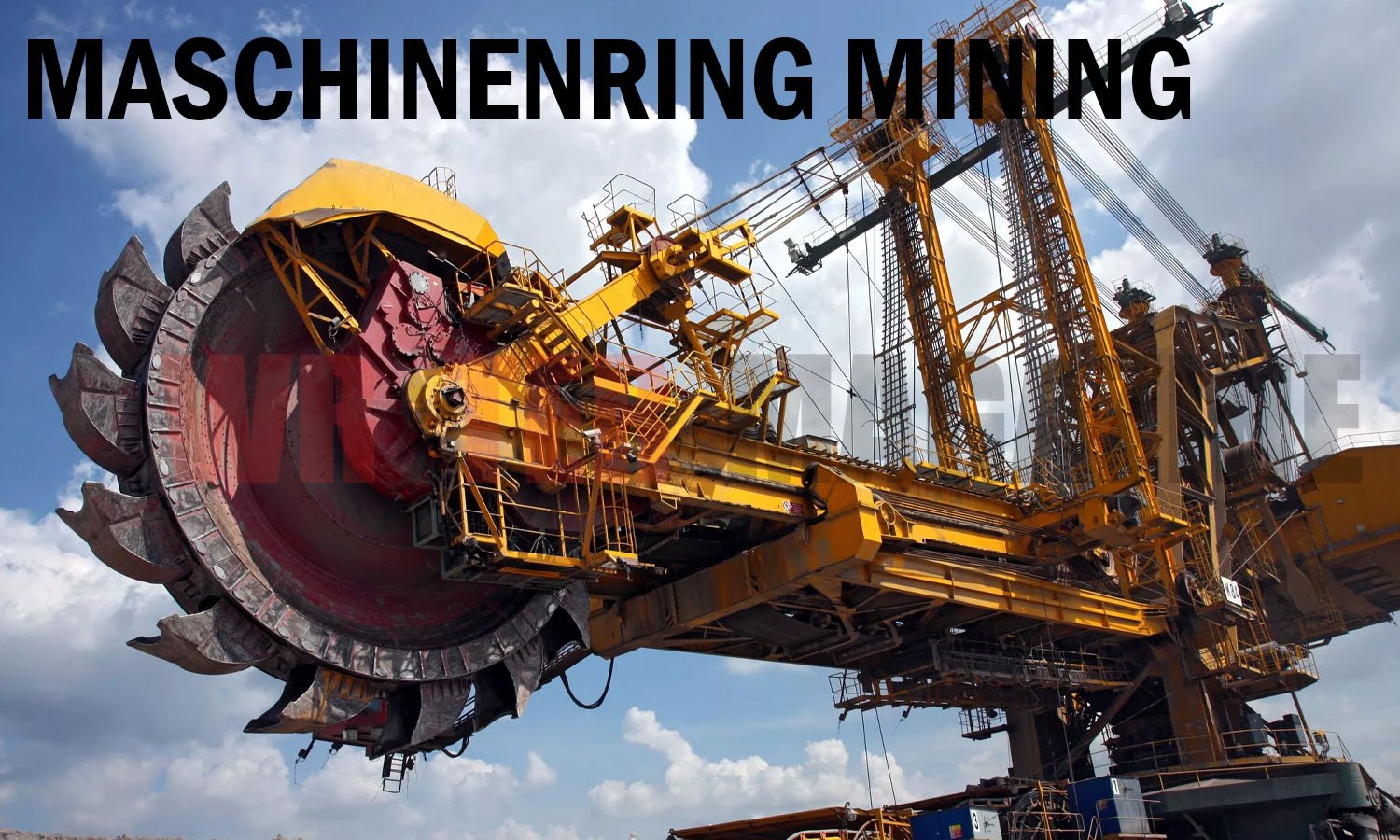
If you have ever searched for “Maschinenring Mining” online, you may have thought it was about digging for gold or drilling for minerals. But the truth is quite different, and actually much more interesting. This article will explain what Maschinenring Mining really means, why it matters, and how it helps thousands of people in Austria every single day.
What Does “Maschinenring Mining” Actually Mean?
The word “Mining” here does not mean digging underground. Mining is actually the name of a small town in Upper Austria. It is a quiet municipality located in the Braunau am Inn district, close to the German border. The town has a population of around 1,195 people and sits at an elevation of 346 meters.
So, “Maschinenring Mining” simply means the Maschinenring branch that is based in or around the town of Mining, Austria. It is part of the larger Maschinenring network called Maschinenring Braunau und Umgebung, which covers the Braunau region and nearby areas including Mining, Mauerkirchen, and Uttendorf.
Once you understand this, everything becomes much clearer.
What Is the Maschinenring?
The word “Maschinenring” comes from German. “Maschinen” means machines, and “Ring” means a circle or group. Together, it means something like a group of people who share machines.
The Maschinenring was started in Austria in the 1960s. At that time, small farmers had a big problem. Farm machines like tractors, harvesters, and plows were very expensive. Most small farmers could not afford to buy their own. So, a smart idea was born: instead of every farmer buying a machine they could only use a few months a year, why not share?
Farmers came together, formed a group, and shared their machines. This saved a lot of money and made farm work much easier. This kind of system is called a cooperative, which means a group of people helping each other.
Over time, the idea worked so well that it spread across Austria. Today, the Maschinenring has grown into one of Austria’s most important rural service networks. It has more than 70,000 members and about 80 locations across the whole country.
How Did Maschinenring Grow So Much?
In the beginning, it was only about sharing farm equipment. But slowly, more and more services were added. The network grew because rural communities had many different needs, not just for farming.
Today, the Maschinenring covers three main areas:
- Agriculture (Agrar) – Help with farm work, field management, and equipment.
- Service – Maintenance of green spaces, winter road clearing, landscaping, and care of forests.
- Personnel (Personal) – Helping workers find jobs and helping businesses find skilled workers.
This growth made the Maschinenring one of the most helpful organizations for rural Austria. It is not just a machine-sharing club anymore. It is a full service provider for farmers, towns, companies, and private people.
The Maschinenring Branch in Mining, Austria
The branch called Maschinenring Braunau und Umgebung is based at Hofmark 5, 4962 Mining, Austria. This is the branch that people are usually referring to when they say “Maschinenring Mining.”
This branch helps local farmers and businesses in the Braunau region in many ways. Here are some of the main services it offers:
1. Agricultural Machine Services
Farmers in the region can use machines through the Maschinenring instead of buying their own. This includes machines for planting, harvesting, fertilizing, and field care. It saves money and makes farming easier, especially for smaller farms.
2. Forest, Energy, and Biomass Services
One of the most important services in the Mining area is related to forests and renewable energy. The Maschinenring produces wood chips (Hackschnitzel) from leftover wood that is not used by the timber industry. These wood chips are turned into energy.
The wood chips have high energy content and are delivered directly to local heating plants. This reduces CO2 emissions and keeps the economic value within the region. Short transport routes are a big advantage compared to fossil fuels.
Farmers can also sell high-quality wood material to regional partners, which gives them an extra source of income.
3. Biomass Production and Management
The Maschinenring is one of Austria’s largest biomass producers. It offers flexible options for collecting regional biomass such as wood chips, firewood, Miscanthus pellets, and energy plants. Thanks to good storage management, delivery is reliable even when there is a lot of supply at once, for example in summer or after a storm.
4. Care of Bioenergy Plants
The Maschinenring also looks after bioenergy heating plants across Austria. Their workers handle regular maintenance and make sure the plants are always ready to run. When something goes wrong, a fast repair service is available so that heating is never interrupted for customers. They work together with local foresters who provide a steady supply of quality forest wood chips.
5. Land Restoration (Rekultivierung)
After construction or digging work is done on land, the ground needs to be fixed and restored. The Maschinenring provides all the special machines needed for this. They remove stones from grassland and plant new grass using special seeding machines. This work brings the land back to a natural and usable condition.
6. Digital Field Management
Modern farming is not just about machines and soil. It is also about data and technology. The Maschinenring in Mining offers digital tools to help farmers manage their fields more precisely. Services include:
- RTK signal and GPS technology for precise location tracking
- Smart planting and fertilizing services
- Drone services for fields and orchards
- Digital planning for vineyards and fruit gardens
A helpdesk is available to help farmers who have questions about these digital tools.
7. Green Space and Tree Care
The branch also takes care of green spaces for towns, communities, and private customers. This includes cutting grass, managing parks, trimming trees, and keeping natural areas in good condition.
8. Winter Services
In Austria, winters can be cold and snowy. The Maschinenring sends farmers and their machines to help with snow clearing on roads and paths for communities and businesses. This gives farmers extra income during winter months when farm work is slow.
9. Personnel Services
Through Maschinenring Personal, farmers can find extra work at local companies and industrial businesses. They are always properly insured. This extra income helps farming families stay financially stable.
Why Is the Maschinenring Model So Successful?
The Maschinenring model works because it solves a real problem in a simple way. Rural areas often have small farms, limited budgets, and seasonal work patterns. By sharing machines and labor, everyone benefits.
Here is why it works so well:
- Lower costs: Sharing expensive machines means no one farmer has to pay for everything alone.
- More income: Farmers can earn money by working for other people through the network.
- Better services: Communities get professional services like snow clearing and green space care at a reasonable price.
- Sustainable farming: Shared resources mean less waste and better use of what is available.
- Strong community ties: When people work together, local communities become stronger.
This cooperative approach has made the Maschinenring a trusted partner for more than half a century in Austria.
The Environmental Side of Maschinenring Mining
One thing that stands out about the Maschinenring in the Mining area is its strong focus on the environment. Many of its services are designed to support nature and reduce harmful emissions.
For example, producing wood chips from leftover wood means that nothing goes to waste. The wood that would otherwise be thrown away is turned into clean energy. Delivering these chips to nearby heating plants keeps transport distances short, which means less CO2 from trucks.
Also, when land is restored after digging or construction work, the Maschinenring uses plants and seeds that are right for the local environment. This keeps the land healthy and reduces erosion.
The care of bioenergy plants also supports clean energy for local homes and businesses. People in the region can stay warm in winter without depending on oil or gas from far away.
Maschinenring Mining and the Local Economy
The impact of the Maschinenring in the Mining area goes beyond just farms. It is a big part of the local economy.
Farmers earn extra money. Local businesses get skilled workers. Communities have their roads cleared in winter and their parks kept clean in summer. Heating plants get a steady supply of local biomass. All of this means money stays in the region instead of going elsewhere.
This is what a cooperative network looks like when it works well. It creates a circle of benefit where everyone helps each other and the whole area becomes more self-sufficient.
Final Thoughts
Maschinenring Mining is a great example of how people working together can solve real problems. What started as a simple idea to share farm machines in the 1960s has grown into a strong and trusted network that helps thousands of people every day.
Whether it is a farmer who needs a machine for one week, a town that needs its roads cleared in winter, or a family that wants clean heating from local wood chips, the Maschinenring is there to help. And the town of Mining, Austria is home to one part of this big, helpful network.
So, the next time you see the phrase “Maschinenring Mining,” you will know exactly what it means. It is not about digging for treasure underground. It is about building something even more valuable: a strong community where everyone helps each other grow.
10 Frequently Asked Questions About Maschinenring Mining
1. Is Maschinenring Mining a mining company? No. Maschinenring Mining has nothing to do with extracting minerals or digging underground. “Mining” is simply the name of a small town in Upper Austria. The Maschinenring branch there provides farming, forestry, and rural support services.
2. Where is the town of Mining in Austria? Mining is a municipality in the Braunau am Inn district of Upper Austria. It is near the German border and has a population of about 1,195 people.
3. What is the Maschinenring? The Maschinenring is an Austrian cooperative organization that was started in the 1960s. It began as a machine-sharing group for small farmers and has grown into one of Austria’s largest rural service networks, with more than 70,000 members and around 80 locations nationwide.
4. What services does Maschinenring Braunau und Umgebung offer? It offers a wide range of services including agricultural machine sharing, biomass and energy services, forest management, land restoration, digital farming tools, green space care, winter road clearing, and staffing services for local businesses.
5. How does machine sharing work in the Maschinenring? Farmers who have machines can offer them through the network. Other farmers or businesses who need a machine can hire it for a period of time. This way, expensive equipment gets used more often, and everyone pays only for what they need.
6. Can farmers earn extra money through the Maschinenring? Yes. Farmers can earn extra income by using their machines and time to help other people through the Maschinenring. They can do winter road clearing, green space maintenance, forest work, and more.
7. What is biomass and why does the Maschinenring work with it? Biomass is organic material that can be used as fuel. Wood chips, firewood, and energy plants are types of biomass. The Maschinenring produces and supplies biomass to local heating plants, which use it to produce clean energy for homes and businesses.
8. Is the Maschinenring only in Austria? The Maschinenring started in Austria but a similar cooperative model exists in Germany and some other European countries. The Austrian Maschinenring network is one of the most developed in the region.
9. How does the Maschinenring help the environment? By using local biomass, keeping transport routes short, restoring land after construction, and supporting clean energy heating plants, the Maschinenring helps reduce CO2 emissions and supports sustainable land use.
10. How can someone join or use the Maschinenring services in Mining? People in the region can contact Maschinenring Braunau und Umgebung directly at their office in Mining, Austria. The address is Hofmark 5, 4962 Mining. Services can also be requested online through the official Maschinenring website.
Stay connect with us for every lastes information Writermagazine