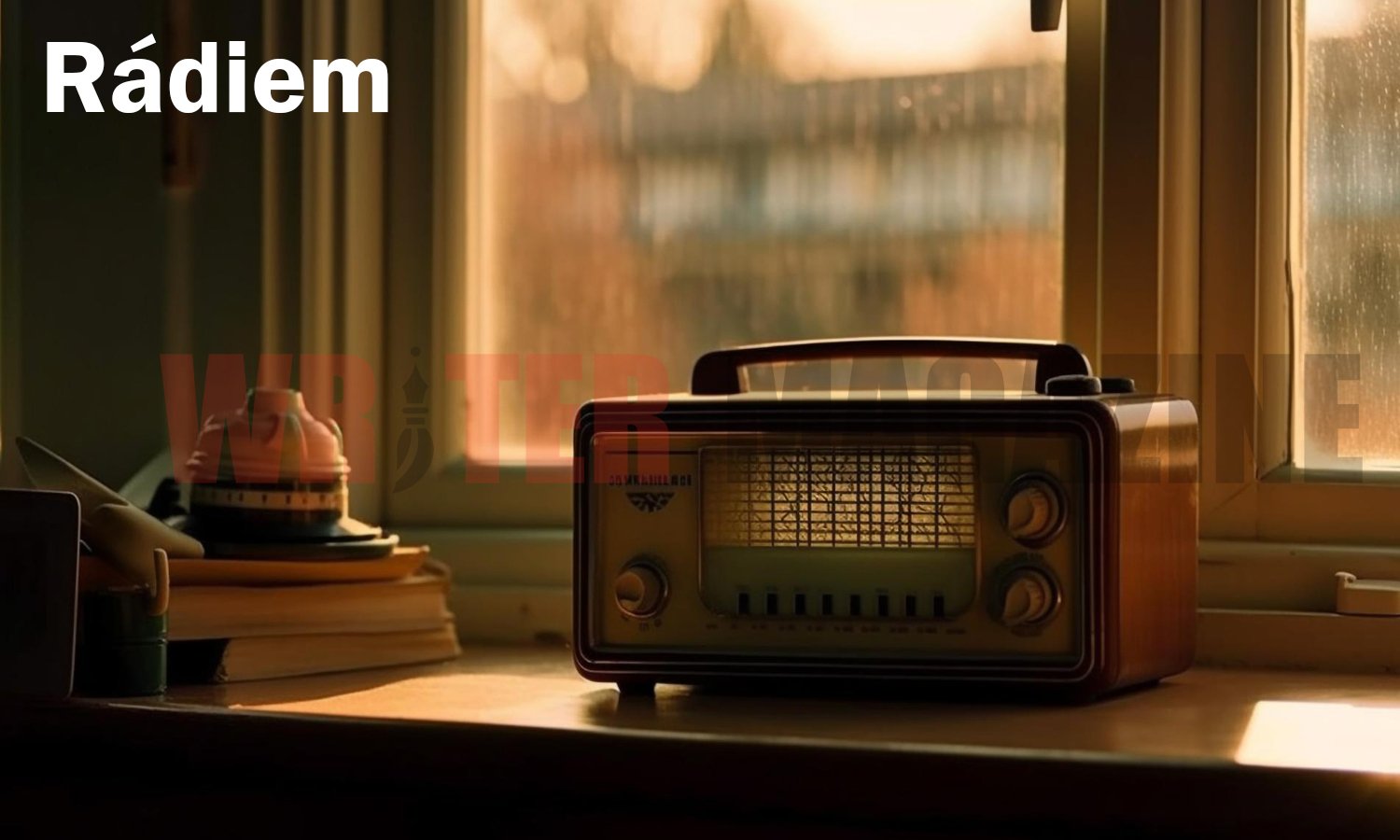
If you have ever come across the word “rádiem” while reading something in Czech or Slovak, you might have stopped and asked yourself: what does this word actually mean? It looks close to “radio,” but it is not exactly the same. In this article, we will explain the meaning of rádiem in simple words. We will also look at where it comes from, how to use it, and why it still matters today.
What Does Rádiem Mean?
The word rádiem comes from rádio, which means “radio” in both Czech and Slovak. But rádiem is not just another word for radio. It is a special grammar form of that word.
In simple terms, rádiem means “by radio,” “via radio,” or “through radio.” It tells you how something happens, not just what it is. For example, if someone says they heard the news rádiem, it means they heard it using the radio as the tool. They did not read it in a newspaper or hear it from a friend. The radio was the method.
This small difference matters a lot in Czech and Slovak. The word rádio names a thing. The word rádiem explains an action.
Why Does the Word Change From Rádio to Rádiem?
To understand this, we need to talk about something called the instrumental case. Do not worry, this is easier than it sounds.
Czech and Slovak are languages that use cases. A case is a special ending added to a word to show its role in a sentence. English does not use cases very often. Instead, English uses extra words like “by,” “with,” or “through.” Czech and Slovak can show the same idea by simply changing the ending of a word.
The instrumental case answers questions like “by what?” or “using what?” It shows the tool, method, or means used to do something. When rádio takes the instrumental case ending, it becomes rádiem.
This pattern is not random. Many Czech and Slovak nouns that end in “-o” change to “-em” in the instrumental case. Once you notice this pattern, it becomes easier to recognize other words that follow the same rule.
So instead of saying “by means of the radio,” a Czech or Slovak speaker can simply say “rádiem.” One word carries the full meaning. This makes sentences shorter and more natural.
Rádiem in Real Sentences
Let’s look at a simple example to make this clear.
In English, you might say: “I heard the news by radio.”
In Czech, this becomes: “Slyšel jsem zprávy rádiem.”
Notice how the English sentence needs the extra words “by radio,” while the Czech sentence only needs one word, rádiem, to express the same idea. This is one reason why people who study Czech or Slovak find the instrumental case interesting. It shows how a language can pack a lot of meaning into a small word.
Here are a few more situations where rádiem might appear:
- Talking about how someone received a message or information
- Describing how news, music, or weather updates travel to listeners
- Explaining how emergency services communicate during difficult situations
- Telling a story about how something was announced in the past, such as old wartime broadcasts
In all these cases, rádiem is pointing to the radio as the method, not the object.
Rádiem vs. V Rádiu: Do Not Mix Them Up
People who are learning Czech or Slovak often confuse rádiem with another phrase, v rádiu. These two terms look similar, but they answer different questions.
Rádiem answers the question “how?” It shows the method or tool.
V rádiu means “on the radio” or “in the radio.” It answers the question “where?” It points to the place or source where something happened, such as a program or a broadcast.
For example:
- “Slyšel jsem to rádiem” means “I heard it by radio” (the method).
- “Slyšel jsem to v rádiu” means “I heard it on the radio” (the source, like a specific station or show).
This small difference can change the meaning of a sentence, so it is worth taking time to understand it clearly.
A Short Look at the History Behind the Word
To fully understand rádiem, it helps to know a little about where the word rádio itself comes from. The root goes back to the Latin word radius, which means “ray” or “beam.” This idea of a ray traveling outward later connected to the invisible waves used in radio technology.
When radio technology became popular in the early twentieth century, many languages, including Czech and Slovak, adopted the word rádio. Once the word entered these languages, it followed normal grammar rules, including the instrumental case. That is how rádiem was naturally formed.
Radio itself changed the way people lived. Before radio, news traveled slowly through letters or word of mouth. After radio became common, people could hear news, music, and announcements almost instantly, even from far away. Emergency workers used it to coordinate help. Families gathered around it for entertainment. This shared history is part of why words built from rádio, including rádiem, still carry a sense of connection and immediacy.
Why Rádiem Still Matters Today
Even though many people now get their news from phones, apps, and streaming services, radio has not disappeared. Many people in Czech and Slovak speaking countries still listen to live radio every day, whether in the car, at work, or at home. Because of this, rádiem is still a common and natural word in everyday conversation.
Learning a word like rádiem also gives a small but useful lesson in how Czech and Slovak grammar works. Once you understand how the instrumental case changes a word like rádio into rádiem, you can begin to notice the same pattern in other words. This makes the whole language feel less confusing and more logical.
A Simple Way to Remember It
If you want an easy way to remember the meaning of rádiem, just think of this short rule: rádio is the thing, rádiem is the way. Whenever you see the “-em” ending on a word like this, ask yourself if the sentence is describing a method or tool. If it is, you are likely looking at the instrumental case in action.
Final Thoughts
The word rádiem might look small and simple, but it carries a clear and useful meaning. It comes from rádio and takes on the instrumental case to show that something happened “by radio” or “through radio.” This single word replaces a longer phrase in English, showing how Czech and Slovak grammar can express ideas in a compact way.
Whether you are learning Czech or Slovak, or you are simply curious about how languages work, understanding rádiem gives you a small window into a much bigger and very logical grammar system. Once you understand it, words like this stop feeling strange and start feeling natural.
Frequently Asked Questions
1. What does rádiem mean in English? Rádiem means “by radio,” “via radio,” or “through radio.” It shows the method used to receive or send information.
2. Is rádiem a Czech word or a Slovak word? It is used in both Czech and Slovak. Both languages share this grammar form because they are closely related languages.
3. What is the base word that rádiem comes from? Rádiem comes from the noun rádio, which means “radio.”
4. Why does rádio change to rádiem? The change happens because of the instrumental case. This grammar case shows the tool or method used in an action, and many nouns ending in “-o” change to “-em” in this form.
5. What is the difference between rádiem and v rádiu? Rádiem shows how something happened, meaning “by radio.” V rádiu shows where something happened, meaning “on the radio” or “in a radio broadcast.”
6. Can you give a simple example sentence with rádiem? Yes. “Slyšel jsem zprávy rádiem” means “I heard the news by radio.”
7. Is the instrumental case only used for the word rádio? No. The instrumental case is used with many nouns in Czech and Slovak to show tools, methods, or means. Rádiem is just one common example.
8. Does rádiem have any connection to the chemical element radium? Both words share a distant Latin root connected to rays or beams, but rádiem and radium have completely different meanings. Rádiem is a grammar form of the word for radio, while radium is a radioactive chemical element.
9. Is rádiem still used in everyday speech today? Yes. Many people still listen to live radio, so rádiem remains a normal and common word in daily conversation in Czech and Slovak.
10. Why is it useful to learn a word like rádiem? Learning rádiem helps you understand how the instrumental case works. Once you understand this pattern, it becomes easier to read and speak Czech or Slovak more naturally.
Read Also: What Is TheSindi Com? A Simple Guide to This Free Online Information Platform
Stay connect with us for every lastes information Writer magazine