What is UVLack? A Simple Guide to UV Coating, How It Works, Its Uses and Benefits in 2026

Have you ever touched a shiny magazine cover or a glossy product box and thought, “How did they make it so smooth and bright?” The answer is probably UVLack.
UVLack is one of the most popular surface coating methods used today. It makes things look better and last longer. Whether you see it on a book cover, a kitchen cabinet, or a car dashboard, UVLack is everywhere around us.
In this guide, we will explain everything about UVLack in simple words. You will learn what it is, how it works, where it is used, and why so many industries love it. Let’s get started.
Where Does the Word “UVLack” Come From?
The word “UVLack” comes from two parts. “UV” means ultraviolet light. “Lack” is a German word that means lacquer or varnish. So, UVLack simply means a coating or varnish that dries using ultraviolet light.
Some people also write it as UV Lack, UvLack, or UV Lacke. All of these refer to the same thing. It is a special liquid coating that becomes hard and strong when UV light hits it.
How Does UVLack Work?
The process behind UVLack is simple to understand.
First, a liquid coating is put on a surface. This surface can be paper, wood, plastic, metal, or many other materials. At this point, the coating is still wet and soft.
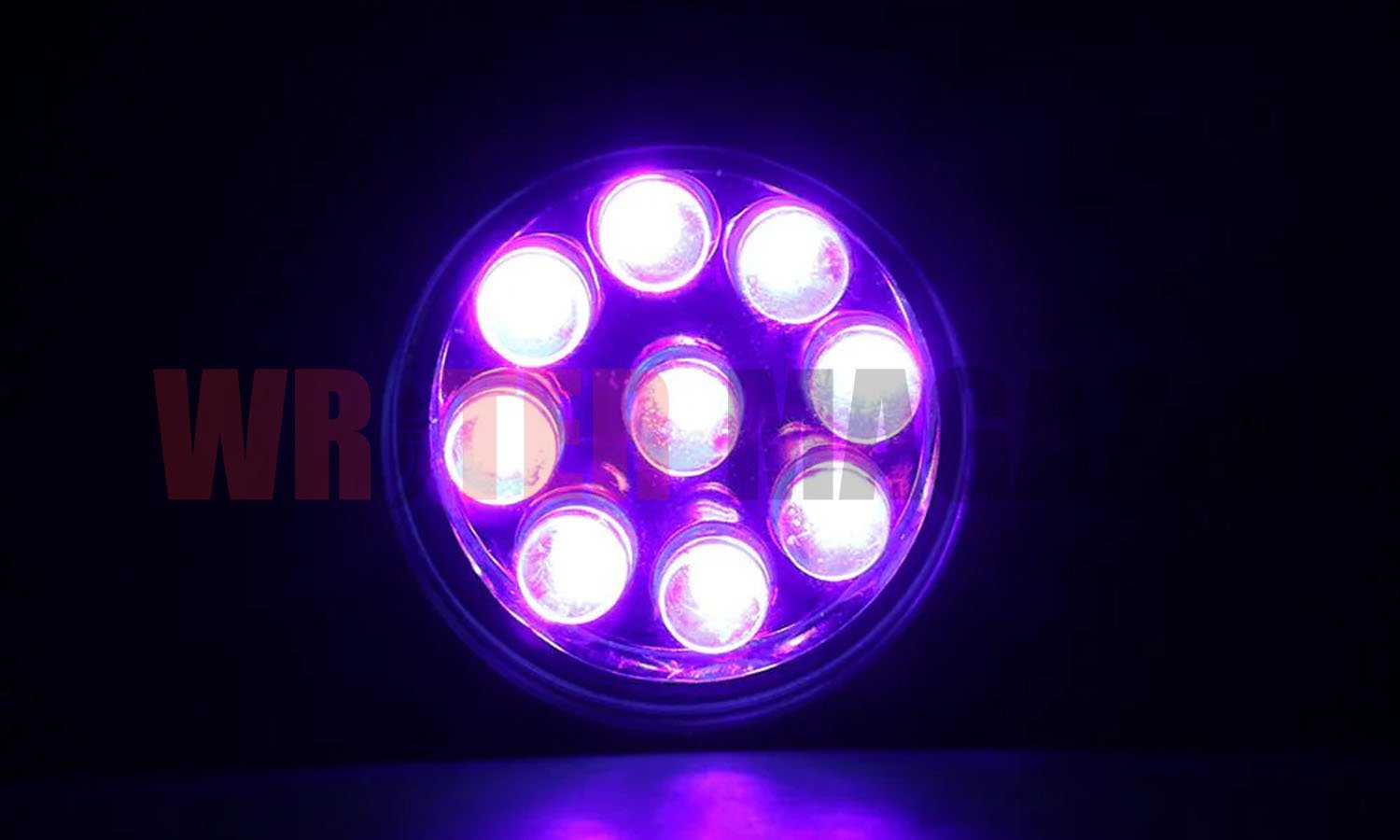
Next, the coated surface moves under a UV light source. This can be a special UV lamp or an LED UV light. When the ultraviolet light touches the wet coating, something interesting happens. Special chemicals inside the coating, called photoinitiators, react to the UV light. They start a fast chemical process called polymerization.
During polymerization, the liquid molecules link together and form a strong, solid layer. This happens very quickly, usually in just a few seconds. After that, the surface is dry, hard, and ready to use.
This is very different from normal paint or varnish. Regular coatings need hours or even days to dry in the air. UVLack does the same job in seconds. That is why factories love using it.
What is UVLack Made Of?
UVLack is not just one ingredient. It is a mix of several important parts that work together.
Oligomers and Monomers form the main body of the coating. They decide how hard, flexible, or clear the final surface will be.
Photoinitiators are the chemicals that react when UV light hits them. They are like a switch that starts the drying process.
Additives are extra ingredients added for special needs. For example, some additives make the surface more scratch-resistant. Others help with the level of shine or help the coating stick better to the surface.
When all these parts come together and get exposed to UV light, they create a tough, beautiful finish that protects the surface underneath.
Types of UVLack Finishes
Not all UVLack coatings look the same. There are different types depending on what look or feel you want.
Gloss UVLack gives a very shiny, mirror-like surface. You often see this on magazine covers, product packaging, and marketing brochures. It makes colors look deeper and more attractive.
Matte UVLack creates a smooth surface without any shine. It gives a modern, clean look. Many luxury brands use matte finishes on their packaging because it looks simple but expensive.
Soft-Touch UVLack adds a soft, velvety feeling when you touch the surface. It is popular for high-end products like perfume boxes and premium book covers. People enjoy the smooth, gentle texture.
Textured UVLack creates raised patterns or designs on the surface. This type is great for wedding invitations, creative packaging, and special edition products where a unique feel is important.
Where is UVLack Used?
UVLack is used in many different industries around the world. Here are the most common ones.
Printing and Packaging
This is the biggest area for UVLack. Printers use UV coating on business cards, brochures, magazines, labels, and product boxes. The coating makes printed materials look professional and protects them from scratches and moisture. If you have ever held a cereal box or a cosmetic box with a shiny finish, that was likely UVLack.
Furniture and Interior Design
In 2026, UV coatings have become very popular for home furniture and interiors. Kitchen cabinets, wardrobes, wall panels, and MDF sheets often use UVLack to get a high-gloss, modern look. In countries like Pakistan, India, and many European nations, UV high-gloss sheets are a top choice for modern kitchens and bedrooms.
Automotive Industry
Car manufacturers use UVLack on interior parts like dashboards, trim panels, and plastic components. The coating protects these parts from scratches, sun damage, and daily wear. It also gives the inside of the car a sleek, polished appearance.
Electronics
Many electronic devices use UV coatings on their outer shells. Smartphone cases, laptop bodies, and tablet covers often have a UV-cured finish. This helps protect the device from scratches while keeping it looking clean and stylish.
Wood and Flooring
Wooden floors, tabletops, and decorative panels benefit from UVLack because it adds a protective layer that resists scratches and water. It also brings out the natural beauty of the wood grain.
Benefits of Using UVLack
There are many good reasons why UVLack is so popular. Here are the main benefits.
Fast Drying Time is the biggest advantage. Because it dries in seconds under UV light, factories can work much faster. There is no need to wait hours for products to dry.
Strong and Durable surfaces result from the UV curing process. The coating is very resistant to scratches, chemicals, and moisture. Products last longer and look better over time.
Beautiful Finish is another key benefit. Whether you choose gloss, matte, or textured, UVLack always delivers a professional, high-quality appearance that catches the eye.
Better for the Environment compared to many older coating methods. Most UVLack products produce very low amounts of volatile organic compounds (VOCs). These are harmful gases that come from regular paints and coatings. With UVLack, the air stays cleaner during the manufacturing process.
Saves Space and Energy in factories. Since there is no long drying time, companies do not need large drying rooms or storage areas. This saves both space and energy costs.
UVLack vs Traditional Coatings
When we compare UVLack with older coating methods, the differences are clear.
Traditional coatings use solvents that release harmful gases into the air. They take a long time to dry, sometimes hours or days. They can also crack, peel, or fade over time.
UVLack, on the other hand, dries in seconds, produces fewer harmful emissions, and creates a much stronger surface. The finish stays bright and smooth for a longer time. For these reasons, more and more companies are switching from traditional coatings to UV-cured options.
The Future of UVLack in 2026 and Beyond
The UV coating industry continues to grow every year. New developments are making UVLack even better. LED UV curing systems are becoming more common because they use less energy and produce less heat. This makes the process safer and cheaper.
Scientists are also working on eco-friendly formulations that use plant-based materials instead of chemicals. Smart coatings with anti-fingerprint and self-healing properties are also being developed for the electronics and automotive industries.
As technology improves, we can expect UVLack to become even faster, stronger, and more environmentally friendly in the coming years.
Frequently Asked Questions (FAQs)
1. What does UVLack mean?
UVLack means a special coating or varnish that dries instantly when exposed to ultraviolet (UV) light. The word comes from “UV” (ultraviolet) and “Lack,” a German word for lacquer.
2. How fast does UVLack dry?
UVLack dries very fast, usually within a few seconds. As soon as the coating is exposed to UV light, it becomes hard and solid almost immediately.
3. Is UVLack safe for the environment?
Yes, most UVLack products are better for the environment than traditional coatings. They produce very low levels of harmful gases (VOCs) and use less energy during the curing process.
4. What surfaces can UVLack be applied to?
UVLack can be applied to many surfaces including paper, cardboard, wood, plastic, metal, and glass. However, the surface must be clean and properly prepared for the best results.
5. What is the difference between gloss and matte UVLack?
Gloss UVLack gives a shiny, reflective finish that makes colors pop. Matte UVLack gives a smooth, non-shiny finish that looks elegant and modern. Both offer the same protection.
6. Is UVLack expensive?
The initial cost of UV curing equipment can be high. However, because UVLack dries so fast and reduces waste, it saves money in the long run. Many businesses find it more cost-effective over time.
7. Can I use UVLack at home?
UVLack is mainly used in factories and professional settings because it needs special UV lamps for curing. However, smaller UV coating machines are becoming available for small businesses and workshops.
8. How is UVLack different from regular paint?
Regular paint dries by air evaporation and takes a long time. UVLack dries instantly under UV light. It is also much harder, more scratch-resistant, and produces fewer harmful fumes than regular paint.
9. Is UVLack used in the beauty industry?
Yes, UV nail polish is a form of UVLack. It is applied to nails and cured under a small UV or LED lamp. This gives nails a long-lasting, chip-resistant, glossy finish.
10. What are the latest trends in UVLack for 2026?
In 2026, the biggest trends include LED UV curing for lower energy use, eco-friendly coating formulas, soft-touch finishes for luxury products, and UV high-gloss sheets for modern kitchen and home design.
Read Also: Who Is Karolyn Englehardt? The True Story of Pete Rose’s First Wife
Stay connect with us for every lastes information Writermagazine.