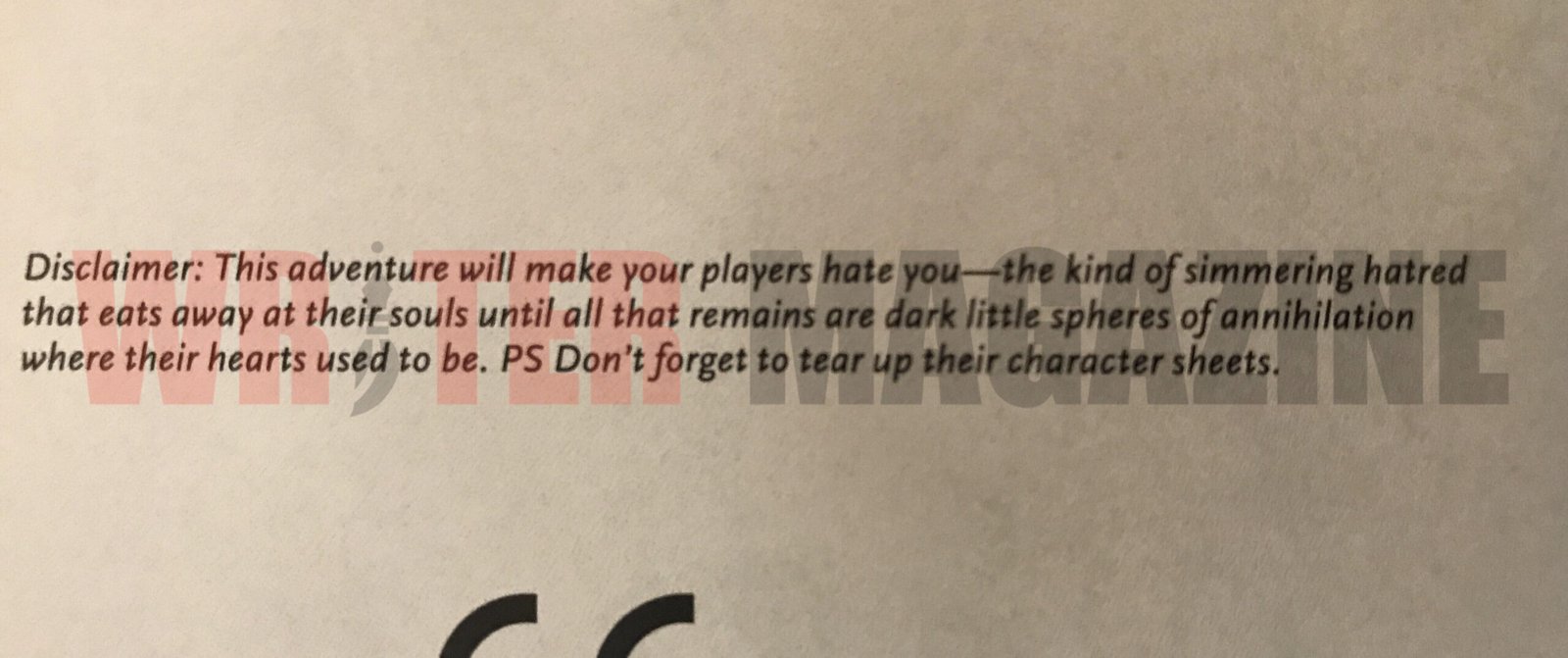
If you have ever picked up a Dungeons and Dragons adventure book, you probably know that each one has its own feel and style. Some adventures are light and fun. Others are dark and full of danger. Tomb of Annihilation falls into the second group. It is one of the most difficult and deadly adventures in all of D&D 5th Edition. And right at the start of the book, there is a short disclaimer that has become very famous in the tabletop gaming world.
But what exactly is the Tomb of Annihilation disclaimer? Why did the creators add it? And why do so many players and Dungeon Masters talk about it? In this guide, we will break it all down in simple words so that anyone can understand it, even if you are brand new to Dungeons and Dragons.
What Is Tomb of Annihilation?
Before we talk about the disclaimer, let us first understand what Tomb of Annihilation actually is.
Tomb of Annihilation is an adventure module made for the 5th edition of Dungeons and Dragons. It was published by Wizards of the Coast in September 2017. The book is 256 pages long and is designed for a group of 4 to 6 players. Characters start at level 1 or level 5 and can grow up to level 11 or higher during the campaign.
The story takes place in a region called Chult, which is a thick and dangerous jungle in the Forgotten Realms world. The main plot is about something called the “Death Curse.” This curse is slowly killing every person who has ever been brought back to life using magic. A powerful and evil object called the Soulmonger is causing this curse. The players must travel deep into the jungle, find the hidden tomb, and destroy the Soulmonger before it is too late.
The adventure was inspired by an older and very famous D&D module called Tomb of Horrors, which was created by Gary Gygax, one of the people who invented Dungeons and Dragons. Tomb of Horrors was known for being extremely deadly, and Tomb of Annihilation carries that same spirit forward.
Wizards of the Coast even used more playtesters for this adventure than any other module they had released before. The reason was simple: they were worried that no one would be able to survive it.
The Official Disclaimer in the Book
Now, let us get to the main topic. Every D&D 5th Edition book has a short disclaimer printed on the credits page. These disclaimers are written in a funny and playful way. They are not serious legal warnings. Instead, they are jokes that match the theme of each adventure.
The official disclaimer in the Tomb of Annihilation book says that this adventure will make your players very upset with you as the Dungeon Master. It uses funny and dramatic language to describe how the intense difficulty of the adventure will eat away at the players until their hearts are replaced by little dark spheres of annihilation. It even adds a note at the end reminding the DM to tear up the character sheets of dead characters.
This is clearly a joke. But like all good jokes, it is based on truth. The disclaimer is telling you, in a funny way, that this adventure is going to be very, very hard. Your characters will probably die. And the Dungeon Master should be ready for players to feel frustrated, angry, or even heartbroken when their beloved characters do not make it out alive.
Why Is the Disclaimer So Important?
You might wonder why a small joke on the credits page matters so much. The answer is that the Tomb of Annihilation disclaimer has become more than just a funny note. It has become a symbol of what this adventure is all about. Here is why it matters.
It Sets the Right Expectations
One of the biggest reasons the disclaimer is important is that it helps set the right mood and expectations before the game even starts. Many D&D campaigns are designed so that player characters are heroes who will win in the end. Death is rare, and even when a character dies, there are often ways to bring them back.
Tomb of Annihilation is different. Death is common. Death can be permanent. And the adventure is designed to punish mistakes. If players come into this campaign expecting a normal, safe adventure, they will be shocked and disappointed. The disclaimer, even in its humorous form, tells players and DMs right away that this is not a normal game.
It Encourages Communication
The disclaimer also encourages Dungeon Masters to talk with their players before the campaign begins. Many experienced DMs use the disclaimer as a starting point for what is often called a “Session Zero.” This is a meeting before the actual game starts where the DM and players discuss the tone, rules, and expectations of the campaign.
During Session Zero for Tomb of Annihilation, a DM might say things like: “Characters can and will die in this adventure. You should not get too attached to your first character. Teamwork and careful planning are more important than fighting.” This kind of open talk helps everyone have a better time.
It Honors the History of D&D
The disclaimer also connects Tomb of Annihilation to the long history of Dungeons and Dragons. In the early days of D&D, adventures were often very deadly. Dungeons were full of traps that could kill a character instantly. Players had to be smart, careful, and willing to accept loss. The Tomb of Horrors, which inspired this adventure, was one of the deadliest dungeons ever made.
Over time, D&D became more focused on storytelling and character growth. Death became less common and more dramatic. The Tomb of Annihilation disclaimer is a nod to the old school style of play. It says, “We are going back to the roots. Be ready.”
The Broader Meaning of the Disclaimer
While the funny disclaimer in the book gets a lot of attention, there is also a broader and more serious side to the idea of a “disclaimer” for Tomb of Annihilation.
Cultural Sensitivity
Tomb of Annihilation is set in Chult, a fictional region inspired by African, Caribbean, and Central American cultures and landscapes. When the book first came out in 2017, some players and critics pointed out that the way Chult was shown felt too much like old adventure stories that treated non-European cultures as “exotic” or “dangerous” without giving them real depth.
In 2020, Wizards of the Coast responded to these concerns. They announced that they had changed some text in newer printings of Tomb of Annihilation to remove parts that were racially insensitive. They also added disclaimers to older titles across their digital collection, letting readers know that the content might contain outdated views.
This is a different kind of disclaimer. It is not funny or playful. It is a serious note that tells readers: “We know this book has some problems. We are working to fix them. Please be aware of this as you play.” This kind of disclaimer helps players think about how they use the material and encourages them to make their games more respectful and inclusive.
Mature Themes
The story of Tomb of Annihilation deals with some heavy topics. The Death Curse is slowly killing people. Characters face body horror as they waste away. The adventure includes themes of death, loss, and the fear of dying forever. For some players, especially younger ones or those who are sensitive to these topics, a warning before the game starts can be very helpful.
Many DMs now include their own personal disclaimers at the start of a Tomb of Annihilation campaign. They might say something like: “This campaign has dark themes. Some parts deal with death and dying in a way that might be uncomfortable. Let us talk about what everyone is okay with before we begin.”
How the Disclaimer Affects Gameplay
The Tomb of Annihilation disclaimer is not just words on a page. It actually changes the way people play the game.
Players Prepare Differently
When players know that the adventure is deadly, they change the way they build their characters and make decisions. Instead of creating a single character they are deeply attached to, many players create backup characters before the campaign even starts. They choose classes and abilities that help with survival, like healing magic or trap detection. They work more closely with their team instead of trying to be solo heroes.
Dungeon Masters Adjust Their Style
DMs also change how they run the game. Some DMs use the disclaimer as permission to play the adventure exactly as written, with all its deadly traps and punishing rules. Other DMs use it as a starting point but then make small changes to keep the game fun without making it too easy. For example, a DM might give players a few extra chances to avoid death or add more healing items to the game.
It Builds Tension
Knowing that the adventure is dangerous makes every decision feel more important. When players open a door, they wonder if there is a trap behind it. When they meet a new character, they wonder if that character can be trusted. This kind of tension makes the game exciting and keeps everyone focused.
The Tradition of D&D Book Disclaimers
It is worth noting that the Tomb of Annihilation disclaimer is part of a larger tradition. Almost every D&D 5th Edition book has a funny disclaimer on its credits page. For example, the Monster Manual has a joke about mind flayers secretly running the D&D team. The Dungeon Master’s Guide has a disclaimer about tactics that will make you a more effective (and devious) DM. The Curse of Strahd disclaimer warns about the horrors of the gothic setting.
Each disclaimer matches the tone and theme of its book. The Tomb of Annihilation disclaimer stands out because it is so direct about the difficulty of the adventure. It does not try to soften the message. It tells you straight out: your players are going to have a rough time, and that is by design.
Fans of D&D have collected all these disclaimers and share them online. They have become a beloved part of the D&D community, and the Tomb of Annihilation disclaimer is often listed as one of the best and most memorable.
Tips for Using the Disclaimer at Your Table
If you are planning to run Tomb of Annihilation, here are some simple tips for using the disclaimer to make your game better.
Talk to your players before the game starts. Use the disclaimer as a conversation starter. Let them know what kind of adventure this will be. Make sure they are okay with a high level of difficulty and the chance of permanent character death.
Suggest that players make backup characters. Since death is common in this adventure, having a second character ready to go will save time and reduce frustration if the worst happens.
Check in with your players during the campaign. Even if you gave a disclaimer at the start, things can change. Some players might find the difficulty harder to handle than they expected. Ask them how they are feeling and be willing to make changes if needed.
Be fair but honest. The disclaimer is not an excuse to be cruel as a DM. It is a promise that the adventure will be challenging. Play the game fairly, give players a chance to use their skills, and let the dice decide the rest.
Remember that fun comes first. The whole point of playing D&D is to have a good time. If the deadly nature of the adventure is causing more frustration than excitement, it is okay to adjust things. The disclaimer sets expectations, but it should never ruin the experience.
Frequently Asked Questions
1. What exactly is the Tomb of Annihilation disclaimer?
It is a short, funny note printed on the credits page of the Tomb of Annihilation adventure book. It warns that the adventure is very difficult and that players will likely lose their characters. It is part of a tradition where every D&D 5th Edition book has a humorous disclaimer.
2. Is the disclaimer a real legal warning?
No. The disclaimer is not a legal warning. It is a playful joke written by the creators at Wizards of the Coast. However, it does carry a real message about the difficulty of the adventure.
3. Why did Wizards of the Coast add a disclaimer?
The funny disclaimer was added to match the theme of the book and to warn players about its deadly nature. A more serious disclaimer was later added to address concerns about cultural sensitivity in newer printings.
4. Is Tomb of Annihilation really that hard?
Yes. It is considered one of the most difficult adventures in D&D 5th Edition. The jungle is full of dangers, resources are limited, and the tomb itself is filled with deadly traps and puzzles that can kill characters quickly.
5. Can beginners play Tomb of Annihilation?
Beginners can play it, but they should be aware that it is very challenging. It is usually recommended for players who have some experience with D&D. A good Dungeon Master can help new players by guiding them and adjusting the difficulty.
6. What is a Session Zero, and how does it connect to the disclaimer?
A Session Zero is a meeting before the campaign starts where the DM and players discuss the rules, tone, and expectations of the game. The disclaimer is often used as a starting point for this discussion in Tomb of Annihilation campaigns.
7. Did Wizards of the Coast change anything in later printings of the book?
Yes. In 2020, Wizards of the Coast announced that they had changed some text in newer printings to remove parts that were racially insensitive. They also added sensitivity disclaimers to some older titles in their digital collection.
8. Do all D&D books have disclaimers?
Most D&D 5th Edition books have funny disclaimers on their credits pages. Each disclaimer matches the theme of the book. They have become a fan favorite part of the D&D publishing tradition.
9. Should Dungeon Masters create their own disclaimers for this adventure?
Yes, many experienced DMs add their own personal disclaimer or warning before starting Tomb of Annihilation. This helps make sure all players know about the difficulty level, dark themes, and risk of permanent death.
10. What is the connection between Tomb of Annihilation and Tomb of Horrors?
Tomb of Annihilation was inspired by Tomb of Horrors, a classic D&D adventure created by Gary Gygax in 1978. Tomb of Horrors is famous for being one of the deadliest adventures ever made, and Tomb of Annihilation continues that tradition of high difficulty and dangerous dungeon design.
Read Also: PresLee Faith Age, Real Name, Birthday and Life Story: Everything You Need to Know in 2026
Stay connect with us for every lastes information Writermagazine.