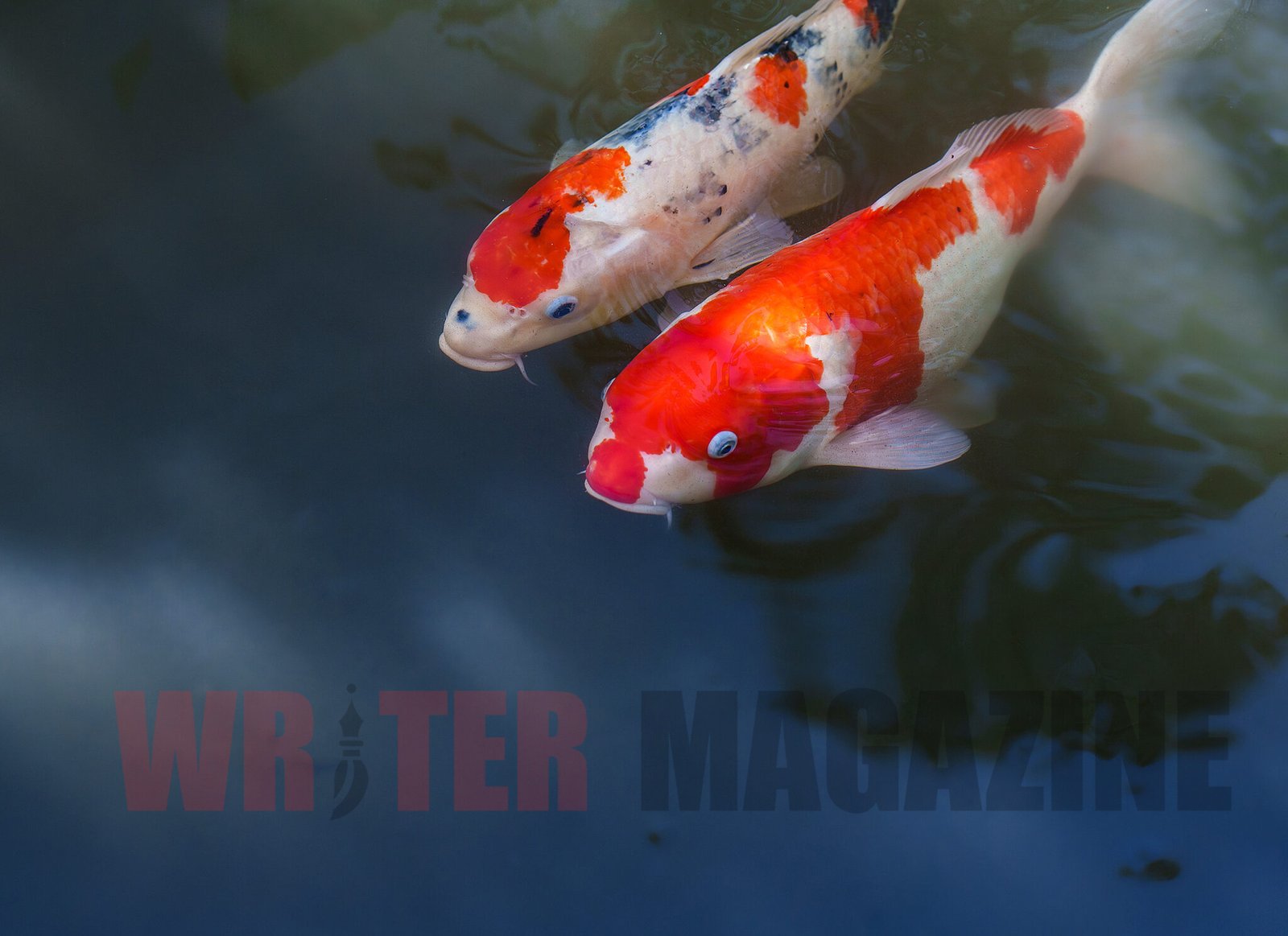
Have you ever seen those beautiful, colorful fish swimming in a garden pond and wondered what they are? Those are koi fish, one of the most loved and admired fish in the world. But koi are much more than just pretty fish. They carry deep meaning and thousands of years of history behind them.
What Is a Koi Fish?
A koi fish is a type of carp that people keep for its beauty. The scientific name is Cyprinus Rubrofuscus, and it is a domesticated variety of the common carp. The word “koi” simply means “carp” in Japanese. However, the Japanese also call the colorful, ornamental kind “Nishikigoi,” which roughly means “brocaded carp” or “living jewel.”
Koi can grow quite large. They can reach up to 39 inches in length and weigh as much as 44 pounds. They also live for a very long time. On average, koi live between 25 and 50 years, though some have lived much longer.
Koi come in many different colors, including white, red, orange, yellow, blue, black, and gold. Their patterns and markings are part of what makes each fish special and unique.
The History of Koi Fish
The story of koi fish goes back a very long time. Koi actually come from Central Asia and China, not Japan as many people think. They were first introduced to Japan by Chinese invaders.
Early Days in China
The ancient roots of koi fish can be traced back to China in the 5th century BCE, where these fish were first raised as a food source. Chinese farmers grew carp in their rice fields because the fish were easy to keep and provided good food for the family. Carp farming started over 2,000 years ago in China, where they were grown in rice paddies to give people a steady source of protein.
The Move to Japan
Koi fish were first brought to Japan from China as a food source in the 1st century CE. Japanese farmers also kept carp in ponds above their rice fields for food. But something interesting happened over the centuries.
Around 1840, after centuries of keeping koi, Japanese farmers started to notice that some fish had unusual color changes. Some carp had bright patches on their scales that looked different from normal fish. The farmers thought these colorful fish were beautiful, so they started to breed them on purpose. Koi breeding became an art form, with special attention paid to patterns, colors, and body shape.
By the early 1900s, keeping koi as a hobby became very popular in Japan. From there, the hobby spread to the rest of the world.
What Does “Koi” Mean?
The word “koi” has more than one meaning in Japanese. While “koi” means “carp,” it is also a word for “love” or “affection” in Japanese. This double meaning has made the fish even more special in Japanese culture, where they are often linked to love, friendship, and loyalty.
This is one reason why koi fish appear so often in Japanese art, poetry, and celebrations. They are not just fish; they stand for deep human feelings and values.
The Famous Legend of the Koi and the Dragon
One of the most well-known stories about koi fish comes from old Chinese tales. This legend is a big part of why people see koi as a sign of strength and never giving up.
According to Chinese folklore, a school of koi once swam up the Yellow River, fighting against strong currents to reach a waterfall. Most of the koi gave up, but a few kept going. After many years of struggle, one koi finally made it to the top. The gods were so impressed by this fish’s hard work that they turned it into a golden dragon.
This story teaches a powerful lesson. It tells us that if we keep trying and never give up, even when things are very hard, we can achieve great things. The story shows that anybody who can push through great challenges can reach their highest goals and become great.
What Do Koi Fish Symbolize?
Koi fish carry many positive meanings. Here are the main things they stand for:
Strength and courage — Koi swim against the current, which shows bravery and the will to face hard situations. In Japanese culture, it is said that a koi swims up rivers and climbs waterfalls with bravery much like a samurai warrior.
Never giving up — The legend of the koi swimming upstream is all about pushing forward, no matter what stands in your way.
Good luck and wealth — In many Asian countries, koi are thought to bring good fortune and money to those who keep them. In Feng Shui, koi fish are believed to bring good luck, wealth, and balance to the home or garden.
Love and friendship — Because the word “koi” also means “love” in Japanese, these fish are closely tied to feelings of affection and close bonds with others.
Change and growth — The story of the koi turning into a dragon is a strong symbol of personal change and becoming your best self.
What Do Different Koi Colors Mean?
One of the most interesting things about koi is that each color has its own special meaning. Each koi color carries a specific meaning: red for love, yellow for wealth, black for strength through hard times, white for purity, and blue for peace.
Red koi — Red stands for deep love and passion. In Japanese culture, a red or orange koi is a symbol for the mother of the family.
Black koi — Black koi represent the ability to get through tough times. Black koi represent masculinity and also stand for the role of the father in the family.
Gold koi — Gold koi are all about wealth and doing well in business.
Blue koi — Blue koi represent calm and peaceful feelings, and are often linked to the role of the son in the family.
White koi — White koi stand for purity and clean beginnings. They can also mean success in your career or work.
Yellow koi — Yellow koi are connected to good fortune and a happy life ahead.
Koi Fish in Japanese Culture and Celebrations
Koi fish hold a very important place in Japan. The koi fish is the national fish of Japan.
One of the biggest ways koi appear in Japanese life is during Children’s Day, which happens on May 5th every year. On this day, families hang koi windsocks called “Koinobori” for every member of their household. The koinobori fly in the wind and look like fish swimming upstream. This is meant to wish children strength, courage, and a good future.
During the Edo Period (1603–1868), owning koi fish was a status symbol. It showed that you were either nobility or a very wealthy person. Even today, keeping and breeding beautiful koi is seen as a sign of good taste and success in Japan and many other countries.
Koi Fish in Tattoos
Koi fish are one of the most popular tattoo designs in the world. People choose koi tattoos because of the deep meaning behind them. A koi tattoo can mean that you have fought through hard times, that you are strong, or that you are working toward a big goal.
The direction the koi is swimming in a tattoo also matters. A koi swimming upstream can mean you are currently in a battle and are still fighting. A koi swimming downstream can mean you have already reached your goals and are no longer fighting the current.
Many people also pick a koi color for their tattoo that matches a meaning that is important to them, like red for love, black for overcoming a struggle, or gold for success.
Koi Fish in Feng Shui
In Feng Shui, the old Chinese practice of bringing good energy into your space, koi fish play an important role. Feng Shui fans often use images or statues of koi fish in their homes or gardens to attract positive energy and wealth.
Placing koi in the right spot in your home is believed to bring balance, harmony, and good fortune into your life. A koi pond in the garden is also thought to create a calm, peaceful environment that is good for your mind and spirit.
Why Do People Love Koi Fish Today?
Koi fish remain popular around the world for many reasons. Some people love them for their stunning beauty. Others keep them because of the meaning and good fortune they represent. Many people simply enjoy the calm, relaxing feeling of watching koi swim in a pond.
People all over the world take part in koi competitions, where they show off the colors, body shape, and patterns of their fish. Raising a prize-winning koi is considered a great achievement, and some koi can sell for thousands, even millions, of dollars.
Whether you keep koi in your garden, admire them in art, or wear them as a tattoo, these fish continue to inspire people everywhere with their beauty, history, and powerful meaning.
10 Frequently Asked Questions About Koi Fish
1. What does “köi” or “koi” mean?
The word “koi” is the Japanese word for “carp.” It also sounds the same as the Japanese word for “love” or “affection,” which gives the fish extra meaning in Japanese culture.
2. Where do koi fish come from?
Koi fish originally come from China, where they were raised as food over 2,000 years ago. They were later brought to Japan, where farmers began breeding them for their beautiful colors.
3. How long do koi fish live?
Most koi live between 25 and 50 years with good care. Some koi have been known to live well beyond 100 years.
4. What do koi fish symbolize?
Koi fish stand for many positive things, including strength, courage, never giving up, good luck, love, and personal growth.
5. Why are koi fish so popular in tattoos?
Koi tattoos are popular because of the deep meaning behind them. They can represent fighting through hard times, reaching your goals, love, and transformation. The color and direction of the koi in the tattoo also add extra meaning.
6. What do different koi colors mean?
Each color has its own meaning. Red means love, black means overcoming struggles, gold means wealth, blue means peace, white means purity, and yellow means good fortune.
7. Are koi fish expensive?
Koi can range in price from a few dollars to millions of dollars. The price depends on the fish’s size, color, pattern, and bloodline. Prize-winning koi from Japan can sell for extremely high prices.
8. Can I keep koi fish at home?
Yes, many people keep koi in outdoor ponds. Koi need a good-sized pond with clean water and proper filtration. They also need to be fed a healthy diet to stay colorful and healthy.
9. What is the legend of the koi and the dragon?
An old Chinese story says that koi swam up the Yellow River against the current. One brave koi made it to the top of a great waterfall called the Dragon’s Gate and was turned into a powerful dragon by the gods. This story is about never giving up and the rewards of hard work.
10. Why are koi flown as windsocks on Children’s Day in Japan?
On May 5th, Japanese families fly koi-shaped windsocks called “koinobori” outside their homes. The koi flying against the wind stands for strength and courage, and the tradition is meant to wish children a healthy and successful life.
Read Also: What Is DoCASU? A Simple Guide to Document Access for Casual Users
Stay connect with us for every lastes information Writermagazine.