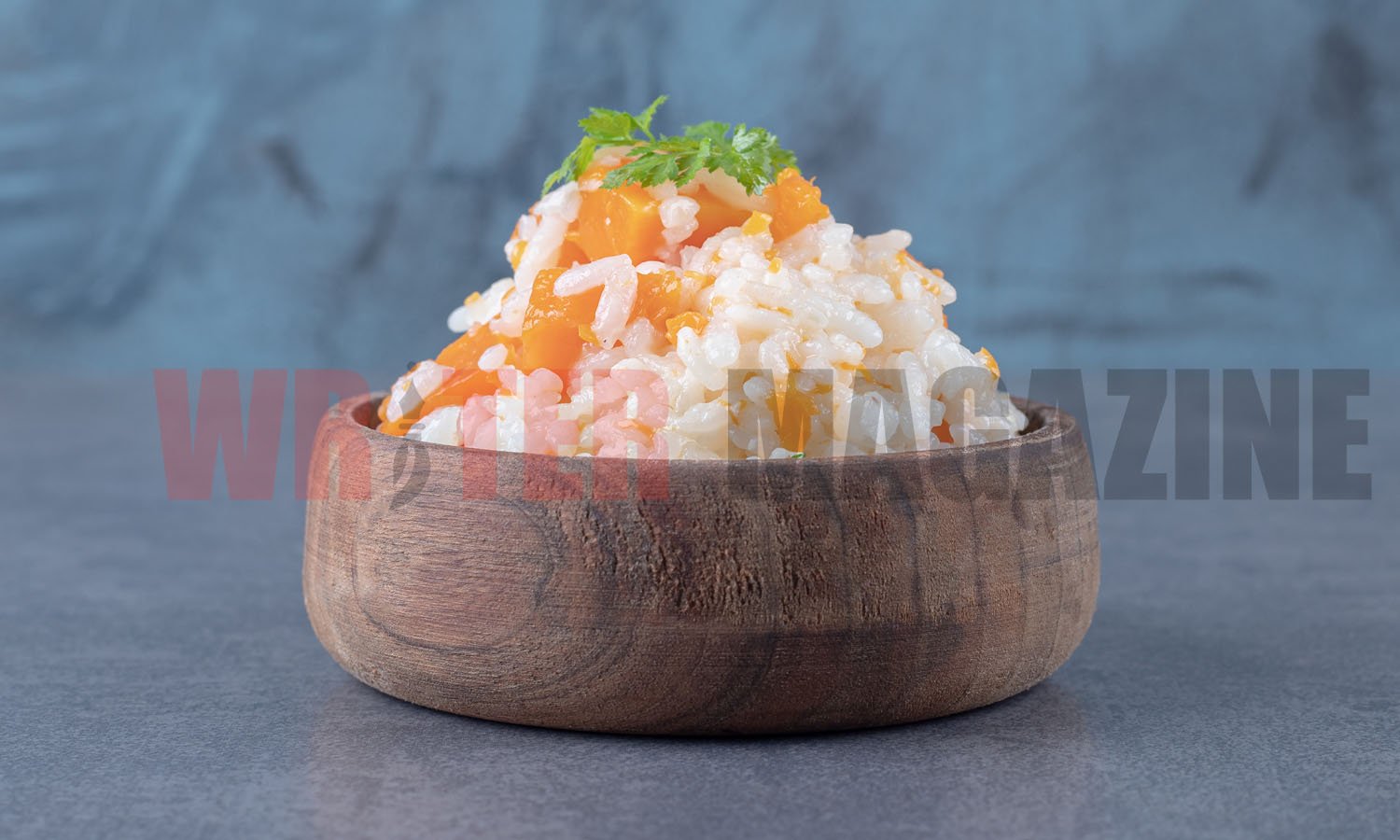
Have you ever made rice that turned out sticky, mushy, or hard? You are not alone. Many people find it difficult to cook rice the right way. But there is a simple method that can help you make perfect rice every single time. It is called Dampfreis.
Dampfreis is a German word. It comes from two words: “Dampf” which means steam, and “Reis” which means rice. So, Dampfreis simply means steamed rice. Instead of boiling rice in a lot of water, you cook it gently with steam. This keeps the rice light, fluffy, and full of natural taste.
In this article, you will learn everything about Dampfreis. You will learn what it is, where it comes from, how to cook it at home, why it is good for your health, and much more. Let’s get started.
What Is Dampfreis Exactly?
Dampfreis is a way of cooking rice using steam instead of boiling water. When you boil rice, the grains sit inside hot water. But with Dampfreis, the rice sits above the water. The hot steam rises up and cooks the rice slowly and gently.
This method makes each grain soft but not soggy. The rice stays separate and does not stick together. Many people like this because the rice looks better on the plate and feels nicer in the mouth.
You should also know that in some supermarkets, you can find rice packets labeled “Dampfreis.” This means the rice was already steamed at the factory before it was packed. You can cook this rice quickly at home, and it will still come out fluffy and light.
Where Does Dampfreis Come From?
The word Dampfreis is German, but the idea of steaming rice is much older than the German language. People in Asia have been steaming rice for thousands of years. Countries like China, Japan, Thailand, and India used bamboo steamers and clay pots to cook rice with steam a very long time ago.
In these countries, steamed rice is not just food. It is part of daily life and culture. Families eat steamed rice with curries, stir fries, soups, and grilled meats.
Later, as people traveled and shared their food traditions, the steaming method reached Europe. German cooks started using this technique and gave it the name “Dampfreis.” Today, the method is popular all around the world because it is simple, healthy, and gives great results.
Why Is Dampfreis Better Than Boiled Rice?
Many people wonder what makes Dampfreis different from regular boiled rice. The answer is in how the rice cooks and what happens to the nutrients inside.
Keeps more nutrients: When you boil rice in a lot of water and then throw the water away, some vitamins and minerals go with it. With Dampfreis, the rice does not sit in extra water, so it keeps more of its natural goodness. Important nutrients like B vitamins and minerals like magnesium stay inside the grain.
Better texture: Steamed rice grains stay separate and fluffy. They do not stick together or become mushy. This makes the rice look and taste much better on your plate.
No extra fat needed: When you make Dampfreis, you do not need to add oil or butter. The steam does all the work. This makes it a very clean and light way to cook.
Easier to digest: Steamed rice is gentle on the stomach. Many people find it easier to eat compared to fried rice or rice that was cooked with a lot of oil. It is a good choice for children, older people, and anyone who has a sensitive stomach.
What Types of Rice Work Best for Dampfreis?
You can use almost any type of rice for Dampfreis. But some types give better results than others. Here are the most popular choices:
Basmati rice is a long grain rice that comes from South Asia. It has a lovely smell and the grains stay long and separate after steaming. It is one of the best choices for Dampfreis.
Jasmine rice is another popular option. It comes from Thailand and has a slightly sweet smell. It is soft and slightly sticky, which many people enjoy.
Long grain white rice is easy to find in any store. It works well for steaming and gives you fluffy, separate grains every time.
Brown rice takes a bit longer to steam, but it is more nutritious. It still has the outer layer called bran, which contains extra fiber, vitamins, and minerals. If you want a healthier choice, brown rice is a good pick.
Short grain rice is often used in Japanese cooking. It is a bit stickier, which makes it good for sushi or rice bowls.
How to Cook Dampfreis at Home: Step by Step
Making Dampfreis at home is not hard at all. You just need a few basic things and a little patience. Follow these simple steps and you will have perfect steamed rice every time.
Step 1: Choose your rice. Pick the type of rice you like. Basmati and jasmine are great for beginners.
Step 2: Wash the rice well. Put the rice in a bowl and add cold water. Use your hand to move the rice around gently. The water will turn cloudy and white. Pour out the cloudy water and add fresh water. Do this two or three times until the water looks mostly clear. Washing removes extra starch, and this is what stops the rice from becoming sticky.
Step 3: Soak the rice (optional but helpful). If you have time, soak the rice in clean water for about 20 to 30 minutes. This helps the grains take in some water before cooking. It makes the rice cook more evenly and become softer.
Step 4: Get your steamer ready. You can use a bamboo steamer, a metal steamer basket, or even a regular pot with a tight lid. If you use a pot, put water at the bottom. Make sure the water does not touch the rice. The rice should sit above the water level.
Step 5: Add the rice to the steamer. After soaking, drain the water from the rice. Spread the rice evenly in the steamer basket or on a cloth inside the steamer. Do not pile it up too much. A flat, even layer cooks better.
Step 6: Cover and steam. Put the lid on tightly so the steam stays inside. Turn the heat to medium. Let the rice steam for about 20 to 30 minutes. The exact time depends on the type of rice you use. Brown rice takes longer than white rice.
Step 7: Do not open the lid too often. Every time you open the lid, steam escapes. This makes the rice take longer to cook. Try to keep the lid closed for most of the cooking time.
Step 8: Let it rest. When the rice is done, turn off the heat. Keep the lid on and let the rice sit for about 5 minutes. This rest time lets the rice absorb any extra moisture.
Step 9: Fluff and serve. Use a fork to gently fluff the rice. This separates the grains and makes the rice light and airy. Now it is ready to serve.
Tips for Making the Best Dampfreis
Here are some extra tips that will help you make your steamed rice even better:
Use the right amount of water. For most white rice, use about 1 cup of rice to 1.5 cups of water. For brown rice, you may need a little more water.
Always wash your rice before cooking. This small step makes a big difference in the final result.
Do not stir the rice while it is steaming. Stirring can break the grains and make the rice sticky.
If you use a pot instead of a steamer, keep the heat on low after the water starts to boil. This creates a gentle steam that cooks the rice perfectly.
Season the water if you like. You can add a small pinch of salt to the water for extra taste. Some people also add a few drops of lemon juice or a small piece of bay leaf.
Health Benefits of Dampfreis
Dampfreis is not just tasty. It is also good for you in many ways. Here is why adding steamed rice to your meals is a smart choice.
Good source of energy: Rice is full of carbohydrates, which give your body the fuel it needs to stay active through the day. A 100 gram serving of cooked steamed rice has about 130 to 170 calories, mostly from healthy carbs.
Low in fat: Steamed rice has almost no fat. This makes it a light food that does not add extra weight to your meals.
Keeps vitamins and minerals: Because the steaming method is gentle, it keeps important nutrients like B vitamins, magnesium, and manganese inside the rice. These nutrients help your body work properly.
Gluten free: Rice does not contain gluten. This is great news for people who cannot eat wheat or other grains that have gluten.
Easy on the stomach: Steamed rice is one of the easiest foods to digest. Doctors often suggest it for people who feel sick or have stomach problems. It is gentle and soothing.
Supports a balanced diet: When you eat Dampfreis with vegetables, lean meats, or beans, you get a complete and balanced meal. The rice gives you energy while the other foods add protein, fiber, and vitamins.
What Can You Eat With Dampfreis?
One of the best things about Dampfreis is that it goes well with almost everything. Here are some popular pairings:
You can serve it with vegetable stir fry for a quick and healthy dinner. It also goes perfectly with chicken curry, fish, or grilled meat. Many people enjoy it with lentil soup or bean stew. You can mix it with fresh herbs like parsley or cilantro for extra flavor. It works great as a base for rice bowls with toppings like eggs, avocado, and pickled vegetables. You can even use leftover Dampfreis to make fried rice the next day. Because the grains are dry and separate, they fry up perfectly.
Dampfreis vs. Parboiled Rice: Are They the Same?
Many people get confused between Dampfreis and parboiled rice. They sound similar but they are not the same thing.
Dampfreis is rice that is cooked at home or in a kitchen using steam. It is a cooking method you do yourself.
Parboiled rice is rice that goes through a special process at a factory. The rice is soaked, steamed under pressure, and then dried before it is sold. This industrial process changes the grain and pushes some nutrients from the outer layer into the inner part of the rice.
Both types of rice can be fluffy and nutritious. But the main difference is that Dampfreis is a home cooking technique, while parboiling is a factory process done before the rice reaches your kitchen.
How to Store Cooked Dampfreis Safely
If you make too much Dampfreis, do not worry. You can store it and eat it later. But you need to follow some safety rules.
Let the rice cool down within one hour after cooking. Do not leave it sitting at room temperature for a long time because bacteria can grow on warm rice.
Put the cooled rice in a clean container with a lid. Store it in the fridge. It will stay fresh for up to three days.
When you want to eat the stored rice, heat it up until it is very hot all the way through. You can reheat it in a microwave or in a pan with a tiny bit of water to bring back its softness.
Do not reheat rice more than once. Only take out the amount you plan to eat.
Final Thoughts
Dampfreis is one of the simplest and healthiest ways to prepare rice. It does not need special tools or cooking skills. All you need is some rice, water, and a little patience. The result is light, fluffy, and delicious rice that goes well with almost any meal.
Whether you are cooking for yourself, your family, or your friends, Dampfreis is always a great choice. It saves time, keeps nutrients, and tastes wonderful. Once you try this method, you may never go back to boiling rice again.
So next time you are in the kitchen, give Dampfreis a try. Your taste buds will thank you.
Frequently Asked Questions About Dampfreis
1. What does Dampfreis mean in English?
Dampfreis is a German word that means steamed rice. “Dampf” means steam and “Reis” means rice.
2. Is Dampfreis the same as parboiled rice?
No. Dampfreis is rice cooked with steam at home. Parboiled rice is processed in a factory using a different method before it is sold.
3. Can I make Dampfreis without a steamer?
Yes. You can use a regular pot with a tight lid. Add water to the bottom, put the rice above the water, cover the pot, and let the steam cook the rice.
4. Which type of rice is best for Dampfreis?
Long grain rice like basmati and jasmine work very well. But you can use any type of rice including brown rice and short grain rice.
5. How long does it take to cook Dampfreis?
White rice usually takes about 20 to 30 minutes. Brown rice can take 35 to 45 minutes because it has a harder outer layer.
6. Is Dampfreis good for weight loss?
Steamed rice is low in fat and does not need oil or butter. When you eat it in the right amounts with vegetables and lean protein, it can fit into a weight loss plan.
7. Is Dampfreis healthy?
Yes. Steamed rice keeps more vitamins and minerals compared to boiled rice. It is low in fat, easy to digest, and naturally gluten free.
8. Can I freeze cooked Dampfreis?
Yes. Let the rice cool down, put it in a freezer safe container, and store it in the freezer. It can stay good for up to one month. Reheat it fully before eating.
9. Why does my steamed rice come out sticky?
This usually happens when the rice is not washed properly before cooking. Make sure you rinse the rice two to three times until the water runs clear. This removes extra starch.
10. Can children eat Dampfreis?
Yes. Steamed rice is one of the safest and easiest foods for children. It is gentle on their stomachs and gives them energy. Many parents start giving steamed rice to their children at a young age.
Read Also: Tépi Meaning and Uses Explained in Simple Words
Stay connect with us for every lastes information Writermagazine.